Responsible AI Creativity for Meme Makers and Motion Artists
Viggle
Responsible AI Creativity for Meme Makers and Motion Artists#
If you're creating memes or motion content with AI, you already know how quickly things change. Sure, that speed is exciting. But it also means you don't always stop to think about where the line is.
That's why responsibility matters in AI-generated content. Memes travel fast, context gets lost, and what starts as "just a joke" can easily go wrong once it's out if created without much thought. Viggle AI is designed with this reality in mind.
It focuses on safe, appropriate creative expression, so creators can experiment with motion and memes without worrying about crossing boundaries that could hurt their brand or audience.
In this blog, you'll learn what responsible AI creativity actually means for meme makers and motion artists, the risks to be aware of, and how tools like Viggle help you stay creative without going reckless.
So, let's dive right in!
What Does Responsible AI Creativity Mean in Meme Making?#
When we say "responsible AI creativity," it can sound a bit formal. But in meme-making, it's actually simple.
You're still here to entertain.
You're still here to experiment.
You're still here to move fast.
You're just adding one habit: a quick human check before you hit post. And that usually comes down to 3 things:
1. Consent#
AI makes it effortless to put a real person into a meme. That's the fun part… and also the risky part. Because the internet doesn't ask, "Was this agreed?" It just shares.
So here's a quick vibe checklist you can use:
- Is this a real person's face, voice, or identity?
- Will people assume this is real?
- Could this embarrass them, misrepresent them, or put them in a weird context?
- If they saw it, would they laugh… or feel exposed?
Let's say you animate a friend's photo with a trending "angry rant" motion. You mean it as a joke.
But the motion + expression makes them look aggressive or dramatic. Now it's in your story, then someone reposts it, and suddenly people who don't even know the context think that's their actual behavior.
No one planned harm. But harm still happened. Ultimately, it's about not making someone else pay the price for your content.
2. Attribution#
Memes are built on remixing. Everyone knows that. But there's a difference between "remix culture" and "quietly talking."
Here, attribution is basically: don't erase the original creator. And in the AI era, it also means being clear when AI helped create the output. Here's an easy table you can follow:
| Situation | What to do | Why it helps |
|---|---|---|
| You used a known meme template/trend started by a creator | Tag them or mention "template by ___" | It's basic respect, and creators notice |
| You recreated someone's motion style (even if not frame-to-frame) | "Inspired by ___" in caption | Keeps your work honest without over-explaining |
| You used a character/image from a library | Follow usage rules + don't claim ownership | Avoids copyright drama later |
| You made it with AI tools | Light transparency: "Made with AI" / "AI-assisted" | Builds trust (especially for brands and collabs) |
In short, credit doesn't kill your vibe. It actually makes you look more legit!
3. Avoiding Harmful Stereotypes#
This one needs more care, because AI can accidentally make it worse. AI models learn from what exists online. And online data is full of stereotypes…about gender, race, religion, nationality, body type, and "who looks like what role."
What Kind Of Controversies Can Actually Happen?
Recently, several AI-generated racist/antisemitic videos made with Google's Veo 3 circulated widely on TikTok. However, these weren't "small niche posts." Reports described them going viral, which raised big questions about safeguards, moderation, and how fast hateful stereotypes can spread once AI makes creation easy.
So, even if you're not making anything extreme like that, the problems remain the same. So, before posting, ask: "Who is this joke about?
"If the answer is "a group of people," pause and reframe. If the answer is "this awkward human moment," you're usually safe.
What Are the Risks of Unchecked AI Meme Creation?#
AI makes meme creation fast. Sometimes too fast. If you move quickly without pausing, the risk isn't bad intent but the unintended impact. And that impact usually shows up in three ways: misrepresentation, deepfake misuse, and cultural insensitivity. Let's break these down.
Misrepresentation#
Misrepresentation happens when AI makes it look like someone said, did, or supported something they never did, often without the creator even realizing it. This usually shows up when:
- A real person's face or voice is used in a new context
- Expressions or motions are exaggerated to fit a meme
- Viewers can't easily tell what's real and what's AI-generated
The simple check here is clarity. If a meme could reasonably make viewers believe a real person supports, reacts to, or participates in something they didn't, that's a sign to rethink or reframe the content!
Deepfake Misuse#
Deepfake misuse goes one step further. Here, AI isn't just exaggerating but actually replacing reality. This becomes especially dangerous when people trust the source being shown.
Recently, several AI-generated videos of real doctors circulated on social media platforms, falsely showing them recommending supplements, treatments, or medical advice they never endorsed.
So, the solution?
Using a real professional's face or voice (even in a "meme format") can cross into misinformation very quickly. If the content could influence decisions about health, money, or safety, the risk multiplies.
Cultural Insensitivity#
You see, AI tools don't understand history, power dynamics, or social nuance. They only repeat patterns. And when those patterns include stereotypes, creators can end up amplifying harm without realizing it.
A similar case happened back in 2018. H&M faced global backlash in 2018 after featuring a Black child wearing a hoodie that read "Coolest Monkey in the Jungle."
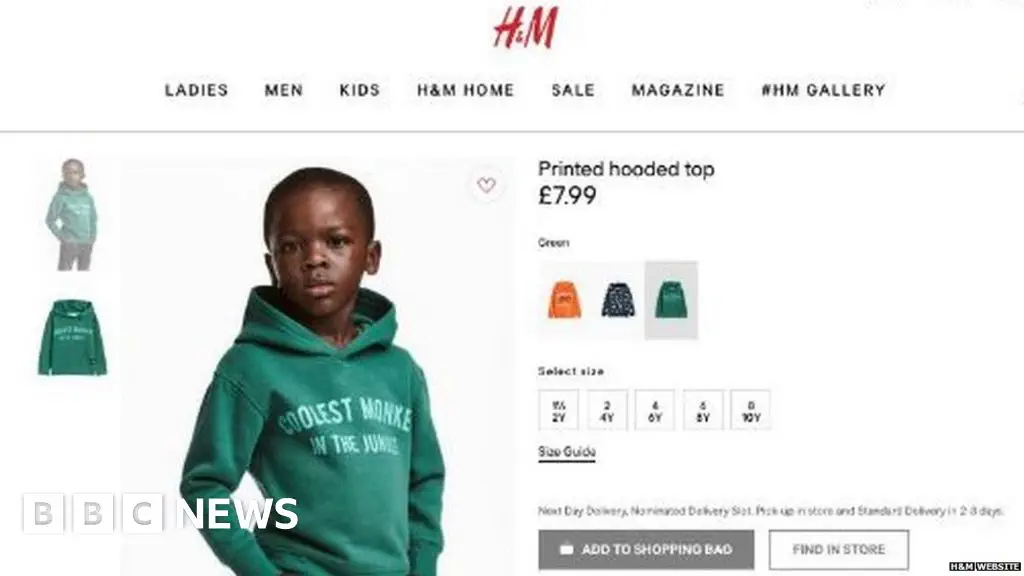
Source: BBC
The brand didn't intend harm, but the historical and racial connotations made the campaign deeply offensive to many audiences. Ultimately, if a meme leans on identity, culture, or appearance for humor, it needs extra care.
How Can Meme Creators Use AI Ethically?#
Now that we've seen what can go wrong, the obvious question is: how do creators make sure it doesn't?
The good news is, ethical AI use in meme making isn't complicated. It's mostly about a few conscious choices you make before and while creating. So, let's walk through what that looks like in practice:
Choosing Appropriate Source Images
Most ethical issues in AI memes start at the input stage. If the source image is risky, the output usually is too. As a creator, your first responsibility is to choose images that are:
- Clear in ownership
- Safe to remix
- Unlikely to misrepresent a real person
Here's a simple guide to safer image sources:
| Source type | Examples |
|---|---|
| AI-generated characters | Characters created inside AI tools |
| Stock image libraries | Pexels, Unsplash, Shutterstock |
| Your own photos | Self-portraits, team photos with consent |
| Public figures in known meme formats | Widely used reaction memes |
| Brand-approved assets | Campaign visuals, press kits |
And, what to avoid?
- Random social media photos
- Private individuals
- Images where consent or context is unclear
A simple rule works well here: If you wouldn't be comfortable explaining the source publicly, don't use it.
Context-Aware Humor#
Humor is the heart of memes. But context is what decides whether a meme lands or backfires. Context-aware humor means understanding who the joke is about and how it might be read outside your bubble.
For instance, a meme exaggerating "Monday office mood" using an AI character feels harmless. Most people relate to it. But using AI to exaggerate a specific accent, region, or profession for humor can quickly turn into stereotyping, even if the intention was light.
A good way to sanity-check humor is to check if the joke is about a situation or about a group of people. Also, think if this still feels okay if someone unfamiliar with me shared it.
Transparency in AI Use#
As for transparency, you don't need disclaimers everywhere. You don't need to over-explain your process. But light transparency helps. This can be as simple as:
- Mentioning "AI-generated" in a caption
- Not pretending a deepfake is real
- Being honest, when AI played a major role in the creation
Transparency builds trust, especially with audiences and brands. And it protects you if the content is ever questioned later.
How to Use Viggle Responsibly for Meme Creation?#
When using AI to make memes, it's important to create something fun, relatable, and worth sharing without pushing the ethical and moral boundaries. That's why having the right tool matters. Viggle fits here by helping you avoid situations that could go wrong later without interrupting your creative flow.
Let's look at how you can use Viggle thoughtfully. Here's a step-by-step process on how to get started:
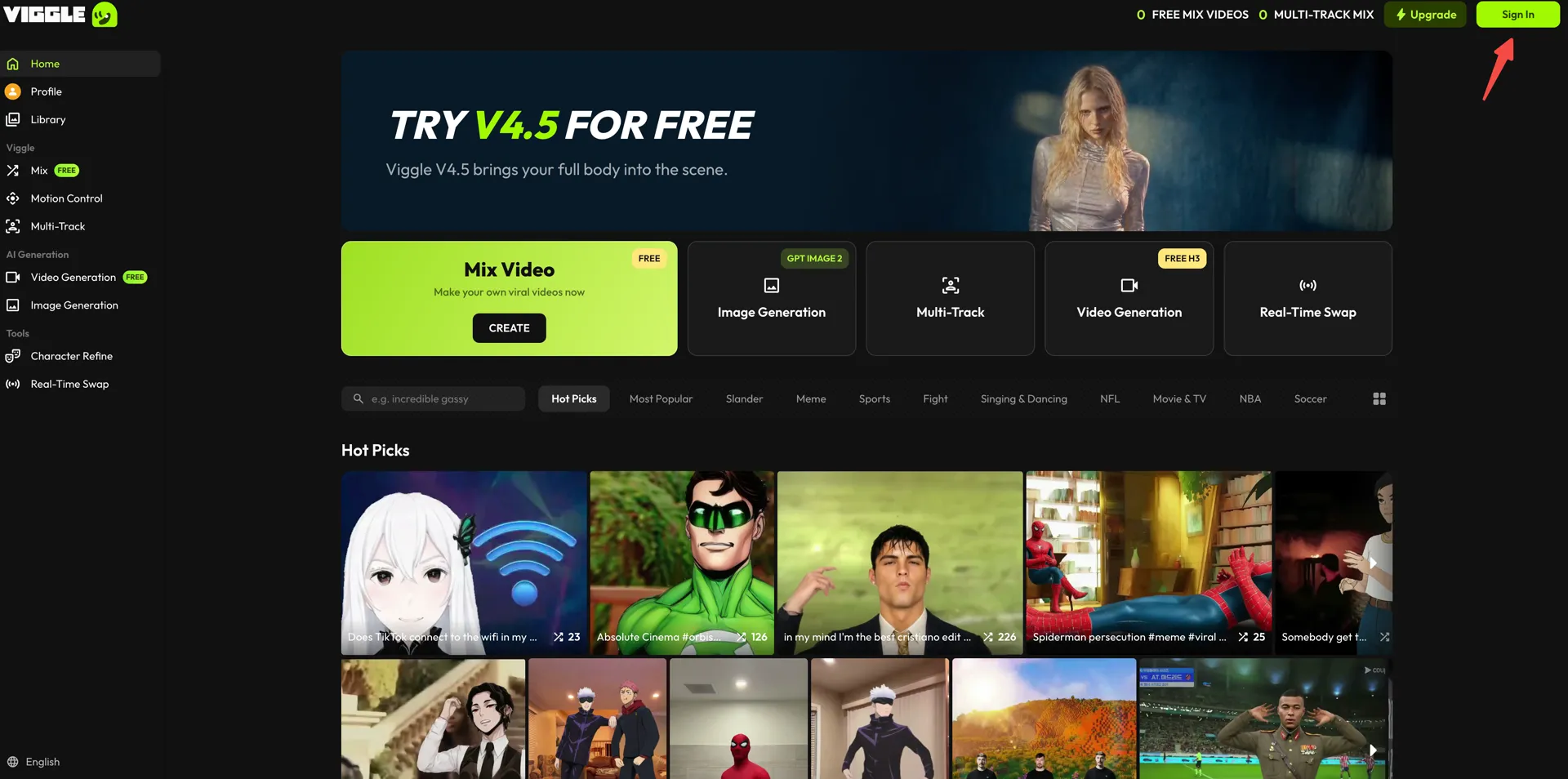
- Start by setting up your Viggle AI account through your email address, Google, or Apple account. If you're an existing user, click "Sign In" in the top-right corner.
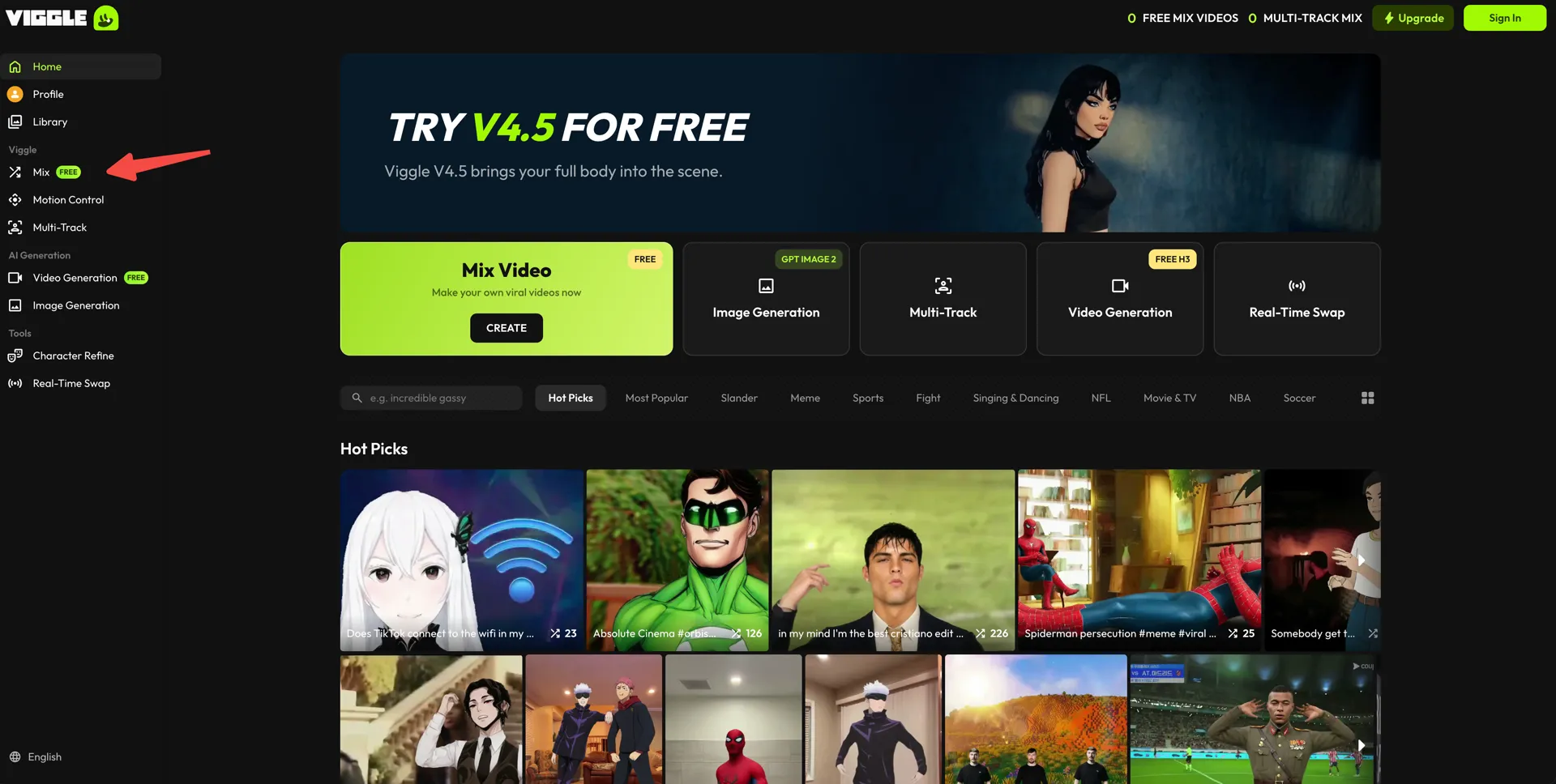
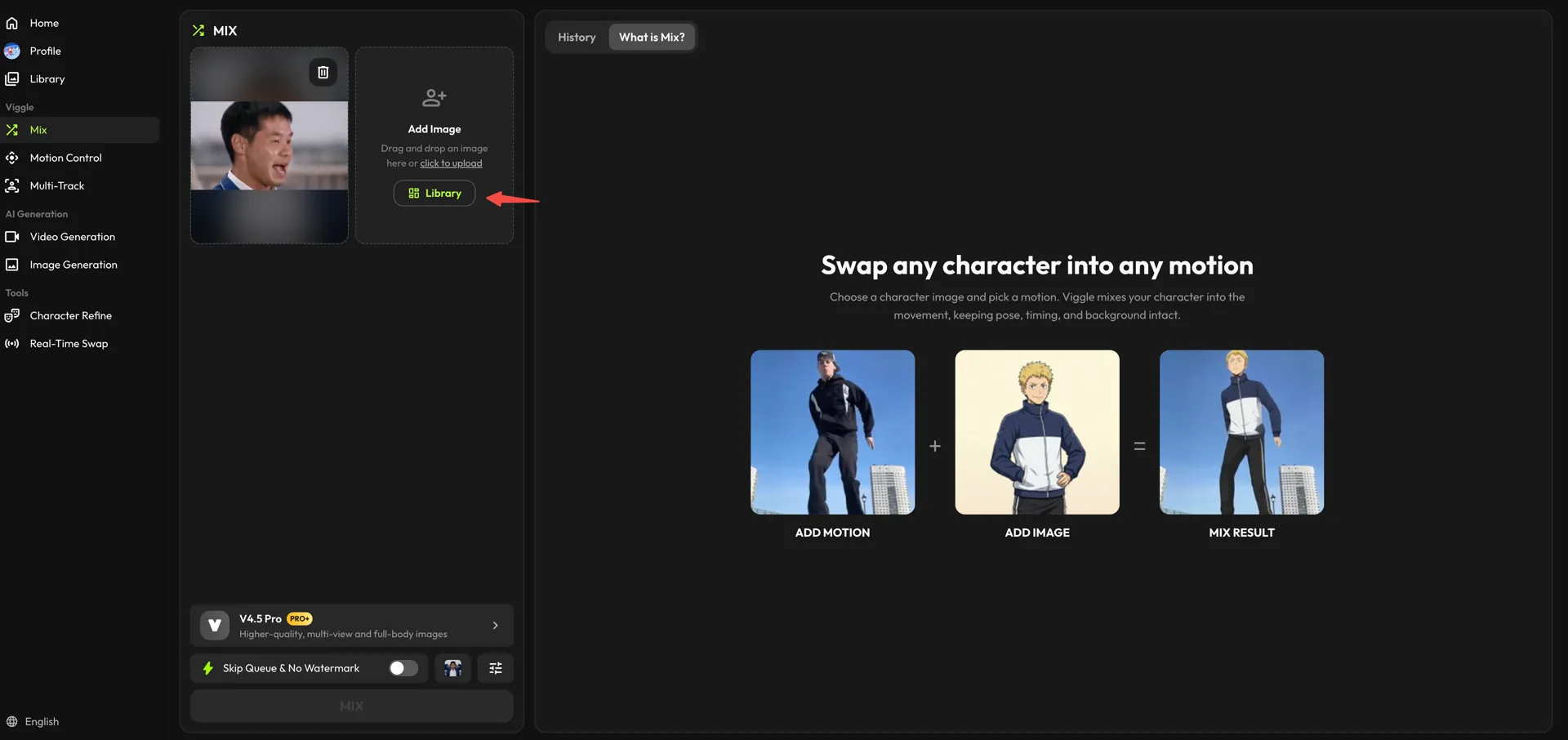
Inside the dashboard, open the "Mix" workspace from the left sidebar.
- In the "Add Motion" card, press "Library" to select a motion preset. To use a custom video, drag it in or use "click to upload."
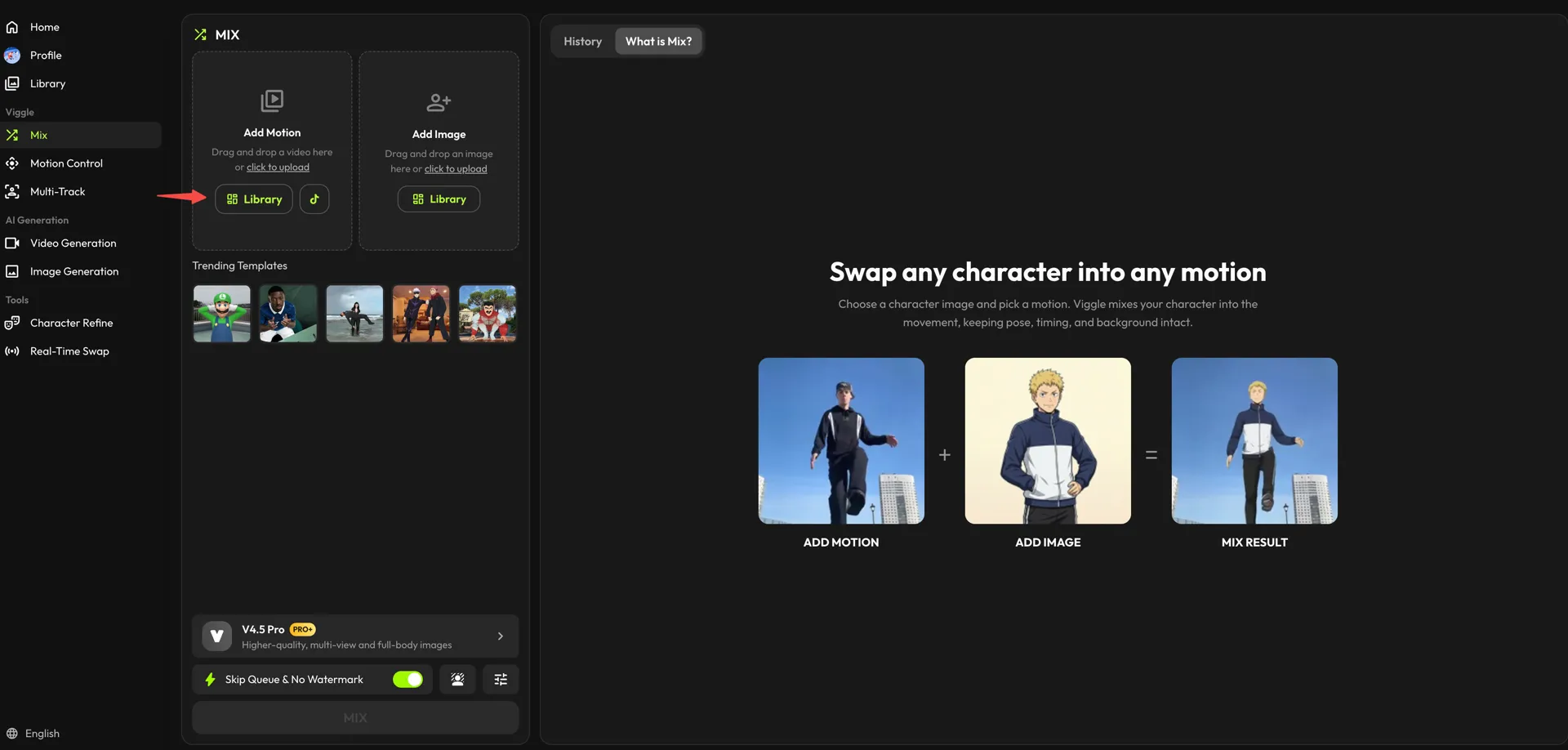
- Next up, fill the "Add Image" card with your character. Select one from the "Library," or upload a custom image — this is the choice worth pausing on if the image is of a real person.
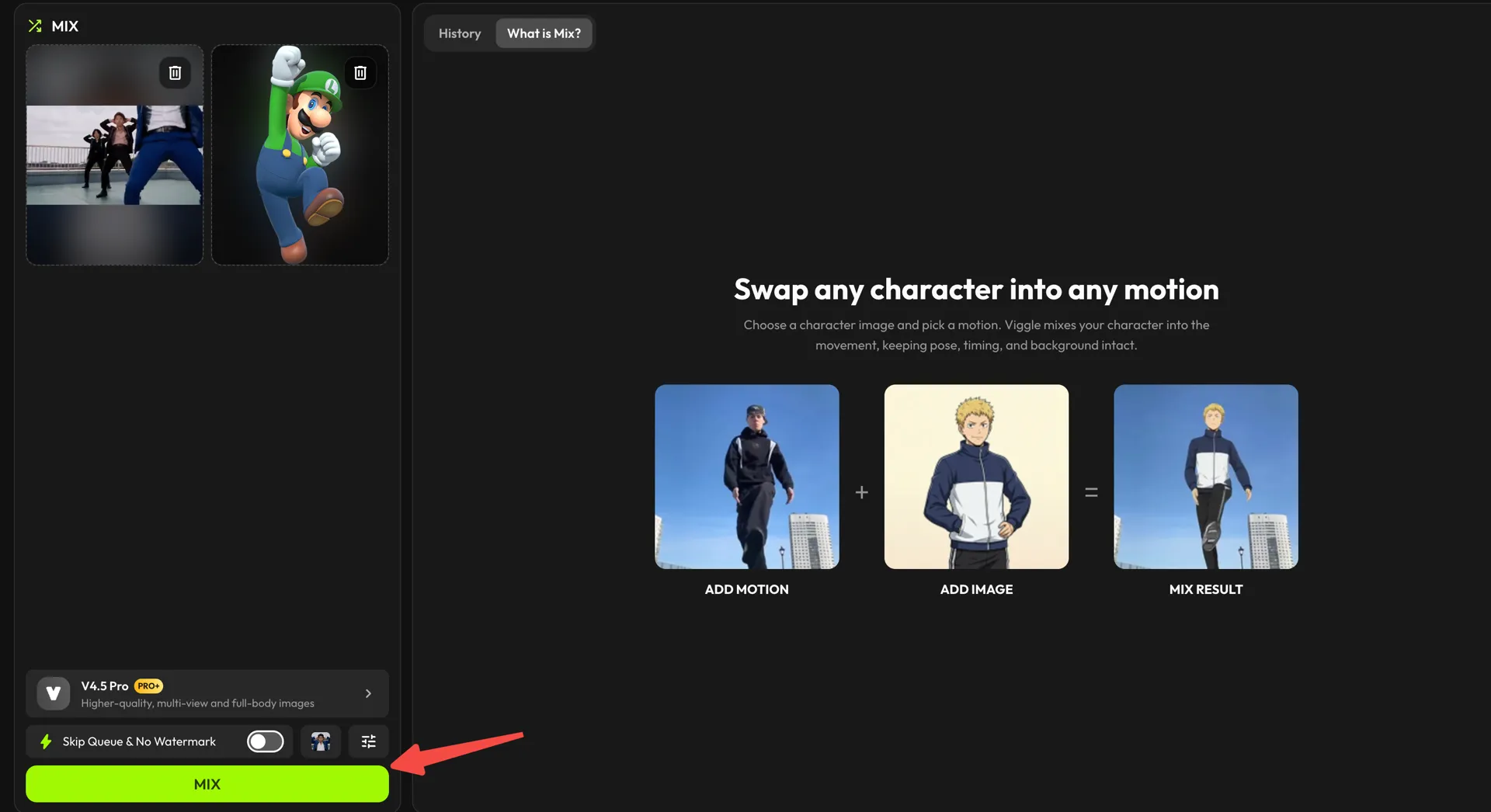
- After completing the setup, click "MIX" and let the video generate.
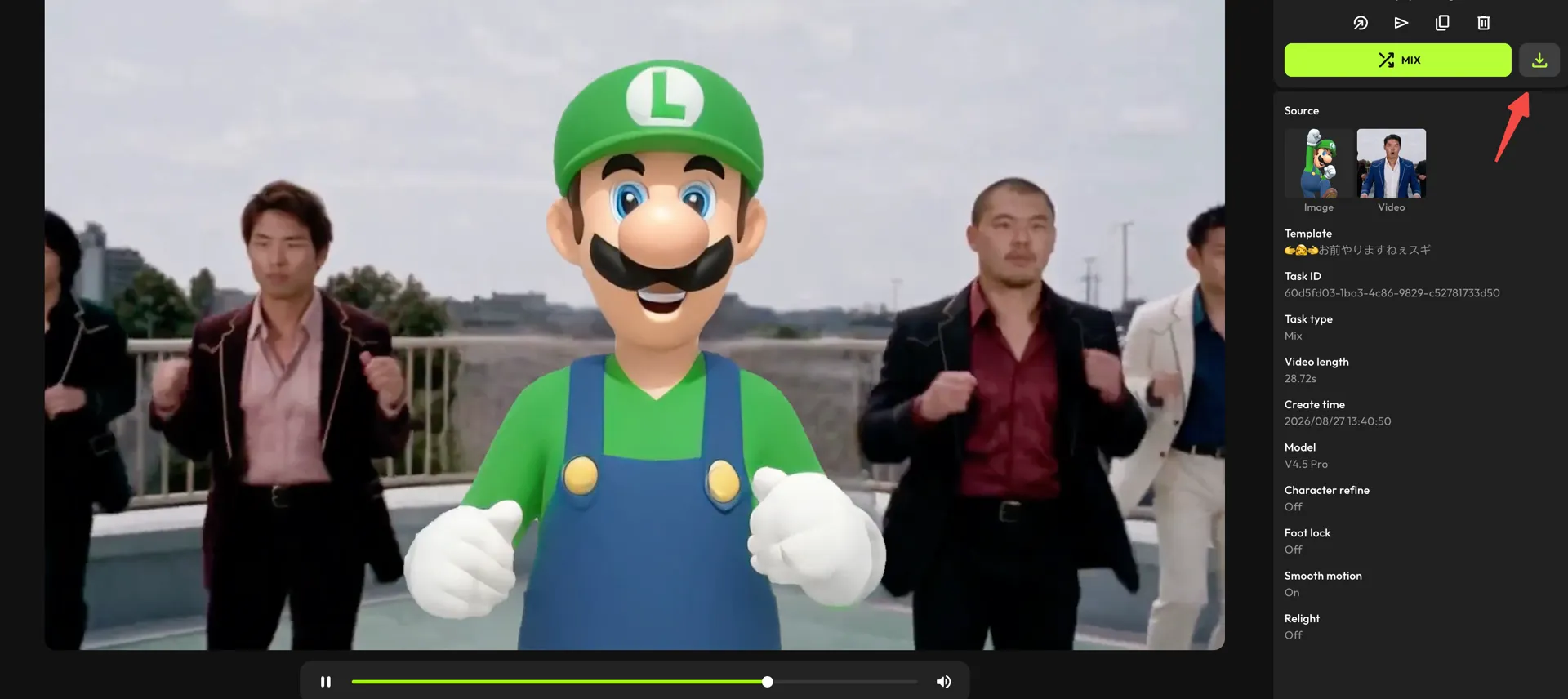
- When the video is ready, click the download icon above the details panel to save it on your device.
Note: Once your video is ready, take a moment before posting to check if your video fulfills these checks:
- Recheck the character image - If it's a real person, does the meme still feel fair and respectful?
- Look at the joke in isolation - Is it about a relatable situation, not a specific group or identity?
- Think about context loss - Would this still make sense if someone saw it without your explanation?
- Add light transparency if needed - A simple "AI-generated" or "made with Viggle" works.
- Match it to the platform - Public feeds need more care than private shares.
This quick check will help you decide whether to post it as-is, tweak the motion or character, add context in the caption, or drop the idea altogether in case it can cause an issue later.
Best Practices for Ethical AI Meme Production#
When it comes to ethical meme production, some basics can just help your content land right without creating trouble later. Here are a few best practices to make sure things don't go wrong:
Respect Likeness Rights#
If a real person didn't agree to be part of the meme, don't use their face or voice. When you're in doubt, it's a better idea to switch to AI-generated or fictional characters.
Avoid Deceptive Realism#
If something looks real enough to be believed, it needs extra care. The best way is to NOT create memes that could be mistaken for actual events or statements.
Stay Within Platform Guidelines#
Each platform has its own rules around AI and synthetic media. Following them keeps your content visible and avoids takedowns later.
Conclusion#
AI has made meme creation faster and more accessible than ever. That's a good thing… as long as creators stay intentional about how they use it. A little awareness around source images, context, and representation goes a long way in keeping creativity fun instead of problematic.
Platforms matter here. When the tool you use is designed with clear boundaries and appropriate defaults, staying responsible becomes easier without disrupting your creative flow. So, if you're looking for a platform that supports this balance, try Viggle today. It's built to help you experiment with motion and memes while keeping responsible creation at the core!
FAQs#
1. Is it legal to use AI-generated memes?#
Generally, yes, as long as you're not misusing someone's identity, breaking copyright rules, or spreading misleading content.
2. Can AI memes be considered deepfakes?#
They can be, if they make it look like a real person said or did something they didn't. Basically, the context matters here.
3. How do platforms enforce AI rules?#
Mostly through content moderation, user reports, and automated checks, once something goes public.
4. Should AI-generated content be labeled?#
It's a good idea, especially when the content looks realistic. A simple note usually does the job.
5. What content should creators avoid?#
Anything that misrepresents real people, spreads misinformation, or leans on harmful stereotypes.