Animation Turbocharged: How Viggle is Redefining Mocap for Creators
Viggle
Animation Turbocharged: How Viggle is Redefining Mocap for Creators#
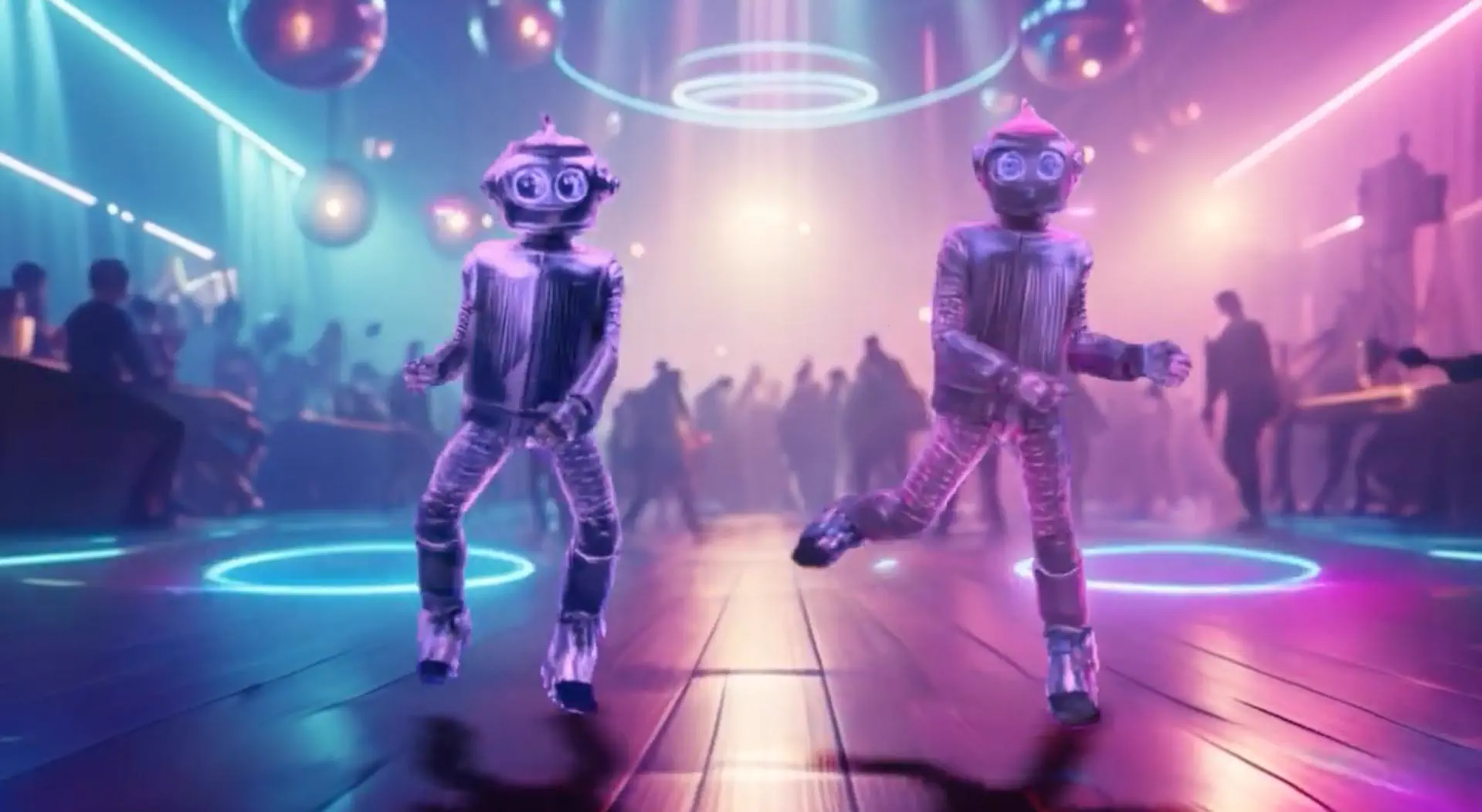
Source: Sometimes You Gotta Feel The Funk Music Video
Follow Aaron/The Inside Cats on X.
Viggle: Aaron, it's great to have you here! Could you introduce yourself to our readers?
Aaron: Thanks for having me! I'm a freelance animator, producer, and editor. I used to work on commercials for big names like Johnson & Johnson—think Listerine ads—where we did VFX and animation the old-school way. My journey with AI began back then. As soon as tools like Midjourney came out, we experimented to see how to shrink our workflow. I've left the corporate world and am freelancing, weaving AI into every client project. And when not doing that, I'm working on my music video projects for fun. I also play a few instruments—trumpet, ukulele, and hand harps—so the music side of things keeps me busy, too.
Viggle: That's quite a mix of skills! What initially drew you to Viggle?
Aaron: I saw Viggle and jumped on Discord immediately. While I was at J&J, we looked into motion capture (mocap) devices, but the cost was a huge barrier—starting at $2,500 and going up to $5,000 for Hollywood-level gear. When I found Viggle, I thought, "Wow, this is an affordable mocap for people who can't afford traditional setups." The leap in technology is incredible. I started by making myself dance, just testing it out, and realized it could be a severe tool for production. The green screen feature alone opened up a world of possibilities.
Viggle: How have you been using Viggle in your projects?
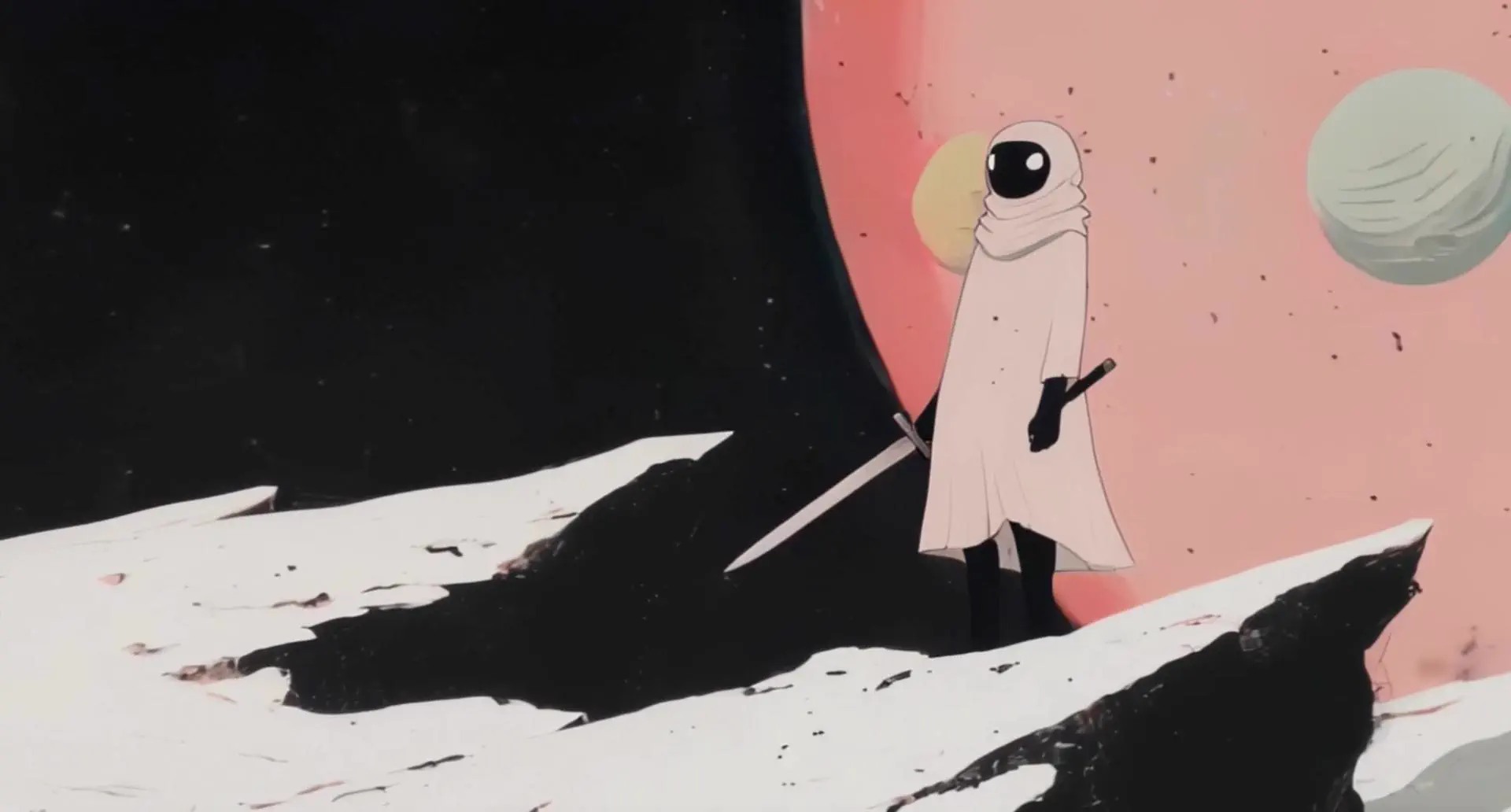
Aaron: I've used Viggle in two main projects: a music video and a short film called A Cold Goodbye. That short won the Grand Jury Award at the NY AI Film Festival—a huge honor. I'm working on a new concept called Tell Me Anything at All, which follows two robots, one lying down and powering off while the other wonders what she thinks about when she's turned off. It's got a Bonnie and Clyde vibe, and MidJourney is helping me create the characters. But Viggle is where I bring those characters to life with dance moves, walks, and even close-ups. I'll film wild things in my kitchen, and Viggle doesn't care if there's a background—it just makes it all work.
Viggle: Sounds like a fascinating workflow! Could you walk us through your process?
Aaron: Absolutely. It's almost like a traditional animation pipeline but with AI. I start by designing the characters in MidJourney. Once I have the look nailed, I use Viggle to add motion—dance moves, facial expressions, you name it. The up-close shots where the character's movements need detail? That's all Viggle. For storyboarding, I turn to Adobe Illustrator and map out each sequence. After that, I moved to After Effects for color grading and compositing and finished everything in Premiere Pro. It's a streamlined workflow, and Viggle plays a massive role in keeping it efficient.
Viggle: What do you think makes Viggle a game-changer for the animation industry?
Aaron: Viggle cuts out so many steps in the animation process. Usually, you'd have to record yourself, edit just that part, bring it into Premiere, and maybe even use Adobe Animate. With Viggle, I can go from recording to editing with little fuss. I think every animation studio should consider using it. It democratizes mocap—making it accessible to creators who can't afford traditional mocap tech. You guys are on the verge of replacing some of the most tedious steps in animation, especially for small studios or freelancers like me.
Viggle: What are your future goals with AI and animation?
Aaron: I'd love to secure funding, maybe a grant from Michigan, to create longer films. Right now, a lot of AI films feel like slideshows. I want to take it further, creating a space for AI-based short films that could one day compete at the Emmys or Oscars. It sounds ambitious, but I believe it's possible. For Viggle, I see it replacing traditional mocap and, eventually, the animation pipeline altogether. If you guys can refine a few more features, it will revolutionize how people create animated content.
Viggle: What's on your wish list for Viggle?
Aaron: Upscaling with even higher texture fidelity would be incredible, as would integrating lip dubbing. That'd make character interactions so much more expressive. Also, a preview option to choose different outcomes would be a game-changer—like generative character output with tweaks for details like shadow and hair mapping.
Viggle: Any parting thoughts?
Aaron: Keep pushing the boundaries! Viggle is already changing how I approach animation, and I'm excited to see where it goes. This tool has the potential to bring high-quality animation to more creators than ever before. Every animation studio should be paying attention to what Viggle is doing. Thanks for the interview. I'm excited about what's next!
Join our creator program to enjoy Pro features and the latest product updates!
Reach out to us at [email protected].