RŌHKI & AI: Redefining Music and Animation with Viggle
Viggle
RŌHKI & AI: Redefining Music and Animation with Viggle#
Follow Rohki on X and YouTube.
Few creators in the world of music, storytelling, and anime are as forward-thinking as the Los Angeles-based team behind ROHKI. With a focus on embracing the latest AI tools, they're bridging the gap between music and visual storytelling like never before. We sat down with the team to discuss ROHKI's evolution, their use of AI tools like Viggle, and their vision for the future of creativity.
Viggle: Let's start with the origin story. What inspired you to start ROHKI?
ROHKI Team: ROHKI was born out of frustration. We were musicians navigating the traditional music industry—dealing with Spotify, social media platforms, large music corporations, and the limitations they imposed on creativity. It started to feel like we couldn't fully express ourselves.
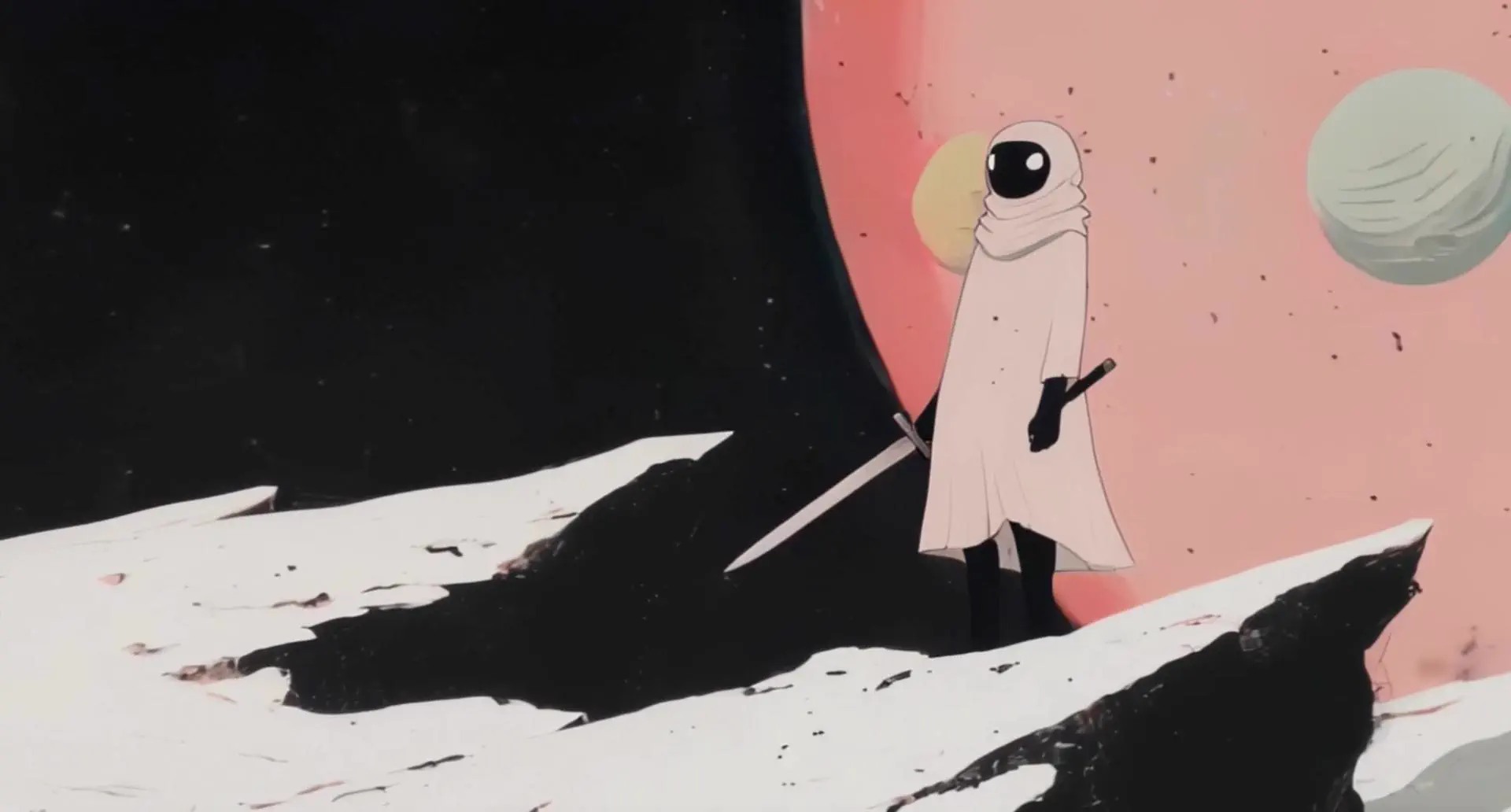
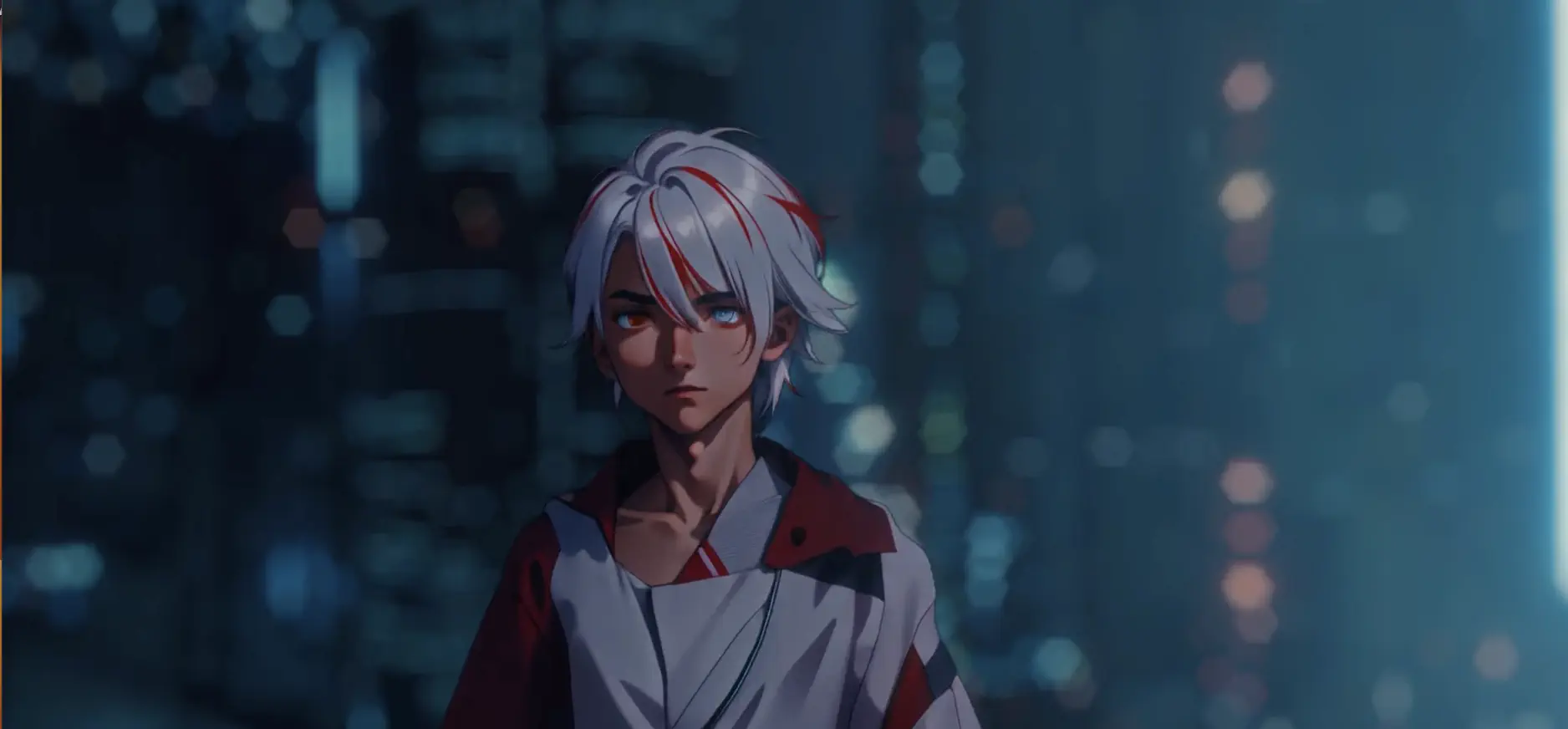
ROHKI is a music project at its core, but we wanted to embrace AI to tell the stories of our characters: IO, Hachi, and Mitra. While we're musicians, we're also fascinated by AI and anime and the new possibilities these new Generative AI technologies bring.
Every new technological breakthrough unleashes creativity to a level never experienced before. We wanted to make music and tell our stories without worrying about rules, labels, or preconceived expectations. It was about freedom.
Viggle: How did your first projects as ROHKI take shape?
ROHKI Team: Our first real attempt was a music video two years ago—a four-minute piece that took five months to make. Although we loved what we came up with, the traditional way of creating animation felt outdated and inefficient, so we wanted to find a better way.
That's when we made our first fully self-produced video, "Vroom." We taught ourselves Unreal Engine and took on every aspect of production. It was a huge learning curve, but it finally gave us control over our creative process.
Visuals are everything when telling a story. People are so visually driven—our eyes are our most important sense. You can make the music much more potent with visuals reflecting your feelings. And in our case, we wanted to guide the storyline of our characters in their respective worlds. The separation between music and visuals never made sense to us; it was just too complicated to merge them before. But Generative AI changed that.
Viggle: How did you discover Viggle, and what was your first impression?
ROHKI Team: We spent about six months in Japan working on the first episode of our anime, and we brought along three artists. One of them suggested we look into Viggle. After seeing the content made by AI Warper and starting our first try, we immediately regretted not finding it sooner!
We use Viggle to create reference sheets for our characters. Each character—IO, Hachi, Mitra—has different angles, so depending on the perspective we need, we use those reference sheets to make the visuals come to life. For example, if we need to depict a character sitting, we create a reference specifically for that position and feed it into Viggle. The flexibility it offers is incredible and impossible before.
Viggle: When did you start using Viggle more regularly, and how has it impacted your workflow?
ROHKI Team: We started using Viggle about four months ago when the platform was blowing up. The great thing about it is how simple and fast it is. It does exactly what we need at this stage. Iteration used to be such a pain when it came to production, but now it's become incredibly simple, quick, and easy.
Before Viggle, creating characters was a total nightmare. A 3D character can be extremely costly and time-consuming, but now, we can make a picture and "Viggle it." If we needed to change something like a hairstyle, we used to have to learn how to 3D model or hire someone to make adjustments. With Viggle, you update the image and re-run the process.
Our usual process is to record ourselves, run it through Viggle, and refine it. The best part is we can still act out scenes ourselves, which gives the final result a lot more depth and authenticity.
Tips on using Viggle - When we input video, we often start with an open mouth or distinct expressions to help the algorithm capture nuances.
Viggle: What improvements would you like to see in Viggle?
ROHKI Team: We'd love to be able to upload multiple photos to viggle, like a character turnaround sheet. If Viggle could offer more flexibility with that, it would streamline our process even more.
Viggle: Could you walk us through your current workflow?
ROHKI Team: Sure! Here's our usual workflow:
- Greenscreen Filming: We start by recording ourselves on a greenscreen, capturing the necessary motions and expressions for the scene.
- Viggle for Motion Transfer: We feed the footage into Viggle to transfer the motion to our characters.
- Resolution & Refinement: For resolution, we often do separate passes through Viggle for the face and body, ensuring everything is smooth and well-defined.
- Styling & Stabilization with ComfyUI: Once the Viggle process is complete, we run the footage through ComfyUI for style transfer and stabilization. Viggle gets us about halfway, and ComfyUI finishes the look we aim for.
- Live Portrait Integration: We use Live Portrait to bring more lifelike expressions to our characters.
Viggle's simplicity in simplifying the initial motion and character creation balances ComfyUI's complexity, making it an essential part of our toolkit.
Viggle: Any final thoughts on the future of ROHKI and AI-driven storytelling?
ROHKI Team: ROHKI is about blending music and storytelling without boundaries. With tools like Viggle, we canbring our vision to life without compromising creativity or efficiency. We believe that, in the future, music, visuals, and interactivity will all merge—essentially, everything will feel like a game. And for us, that's precisely the kind of world we want to create.
Join our creator program to enjoy Pro features and get the latest product updates!
Reach out to us at: [email protected].