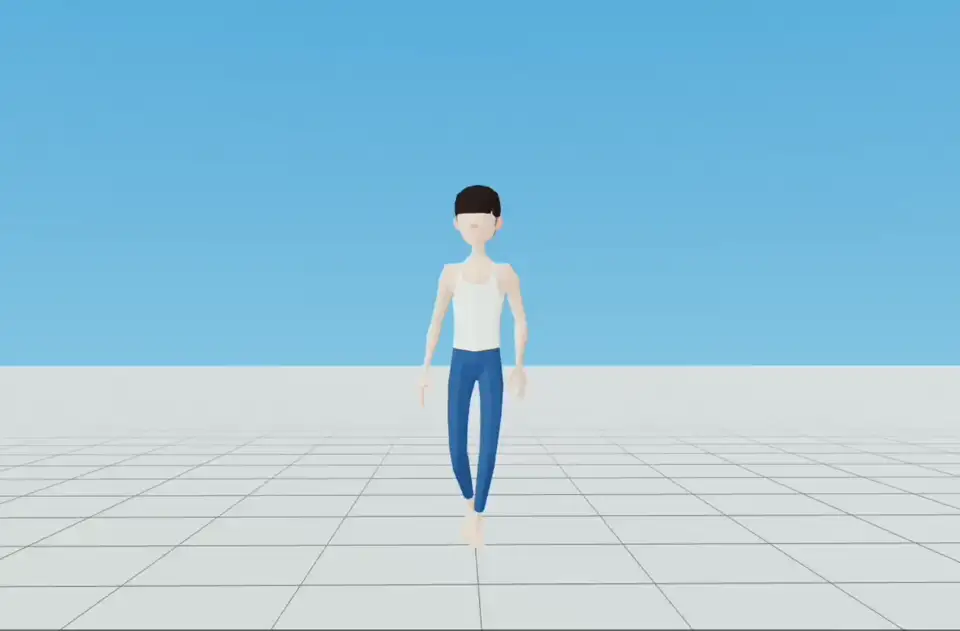
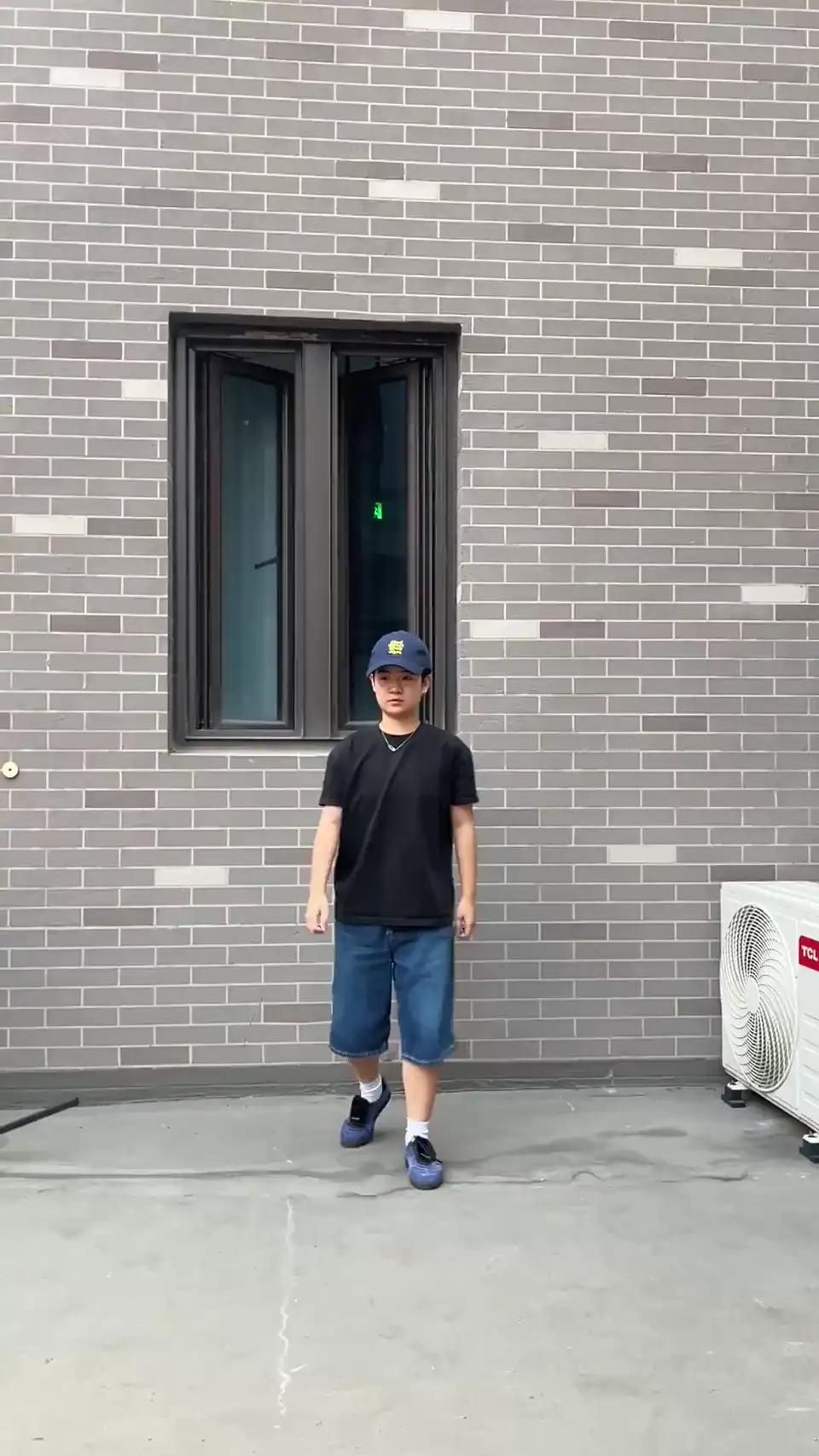
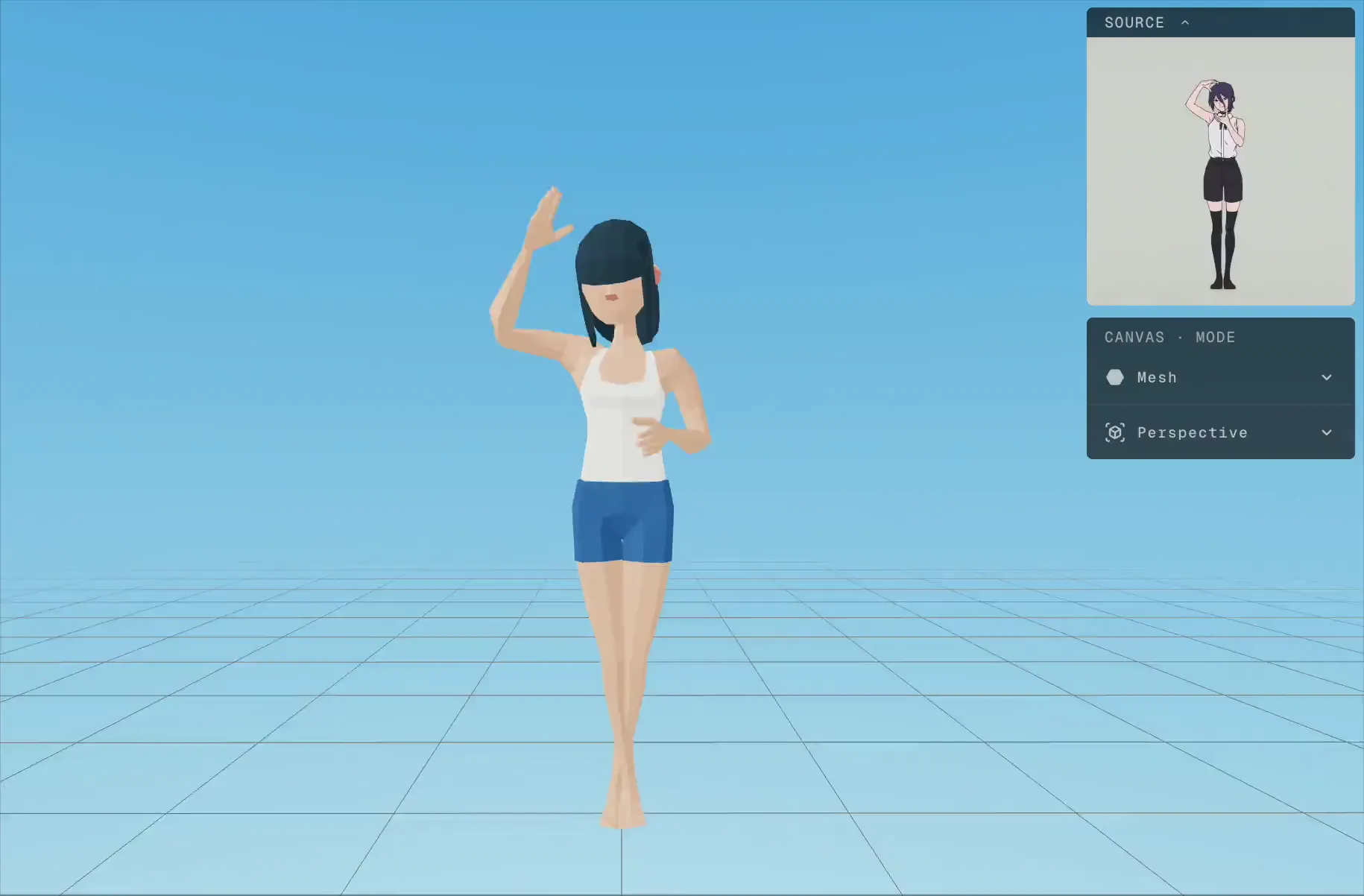

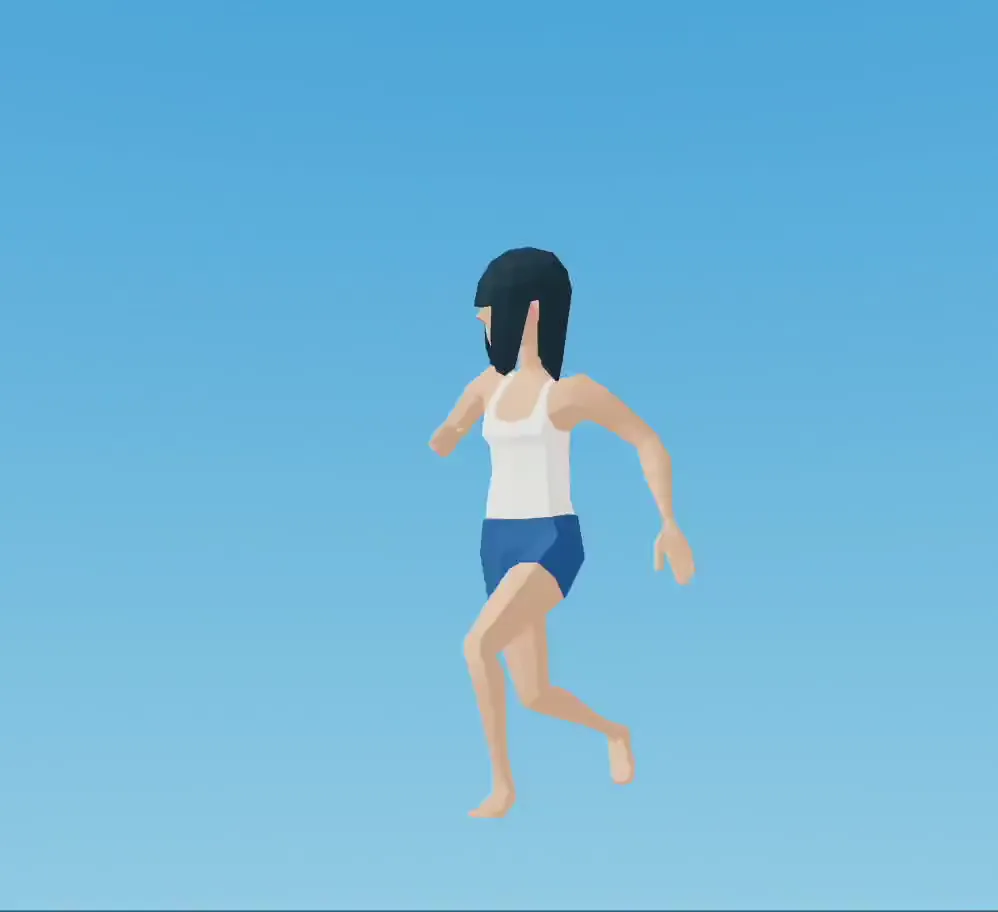
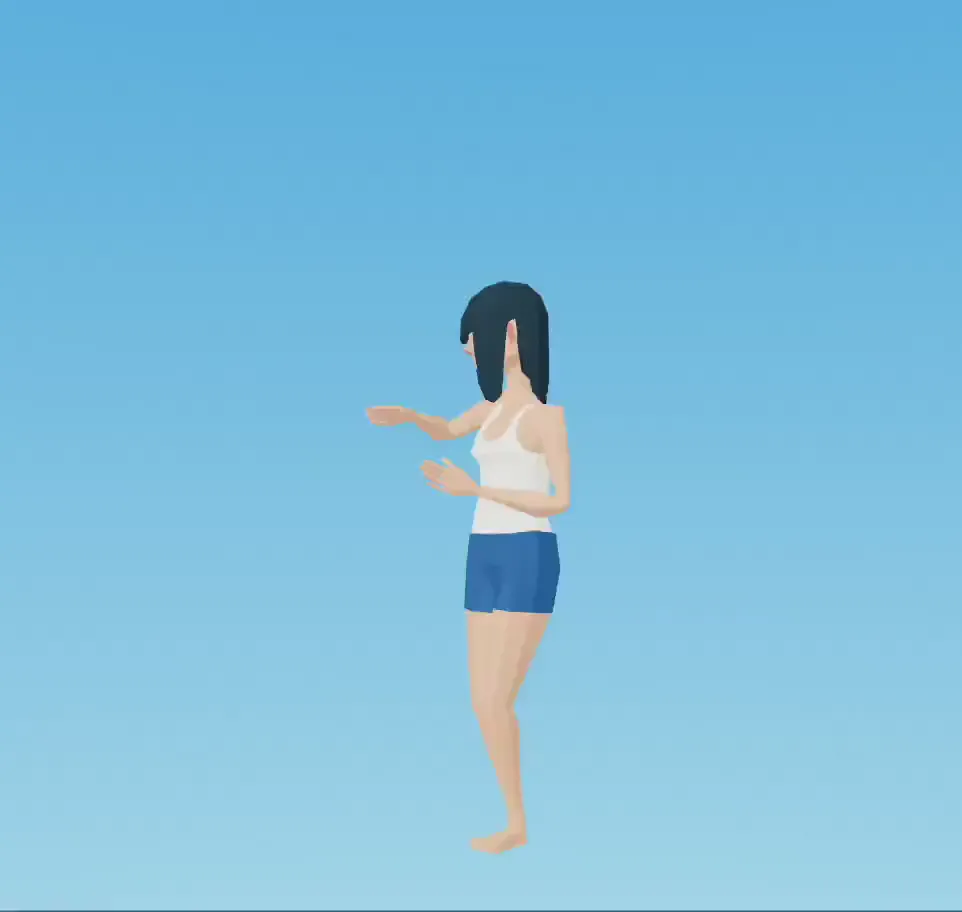
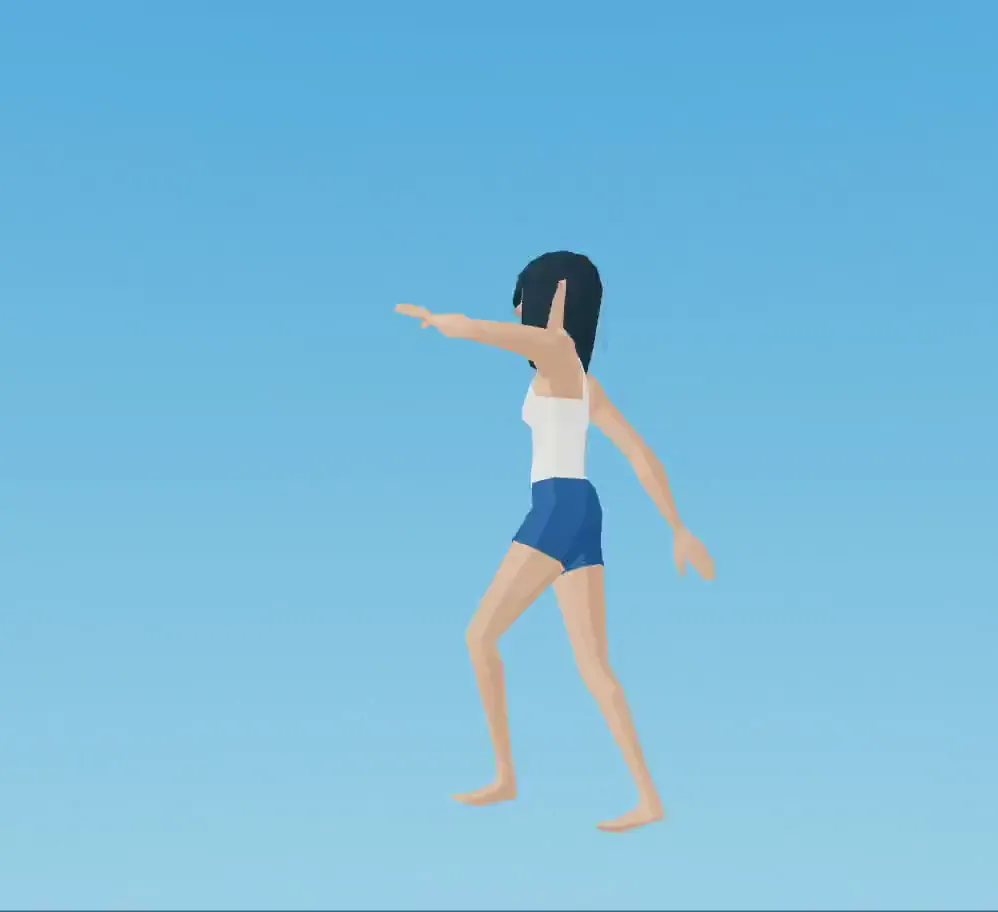
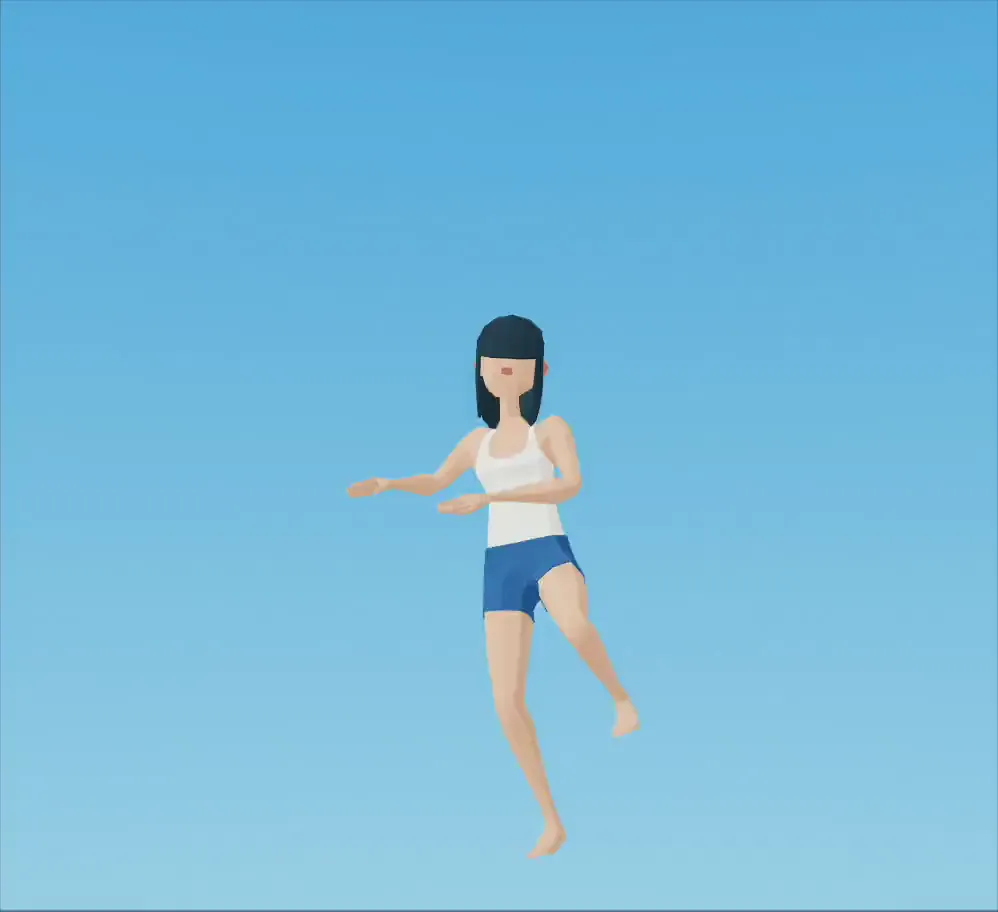
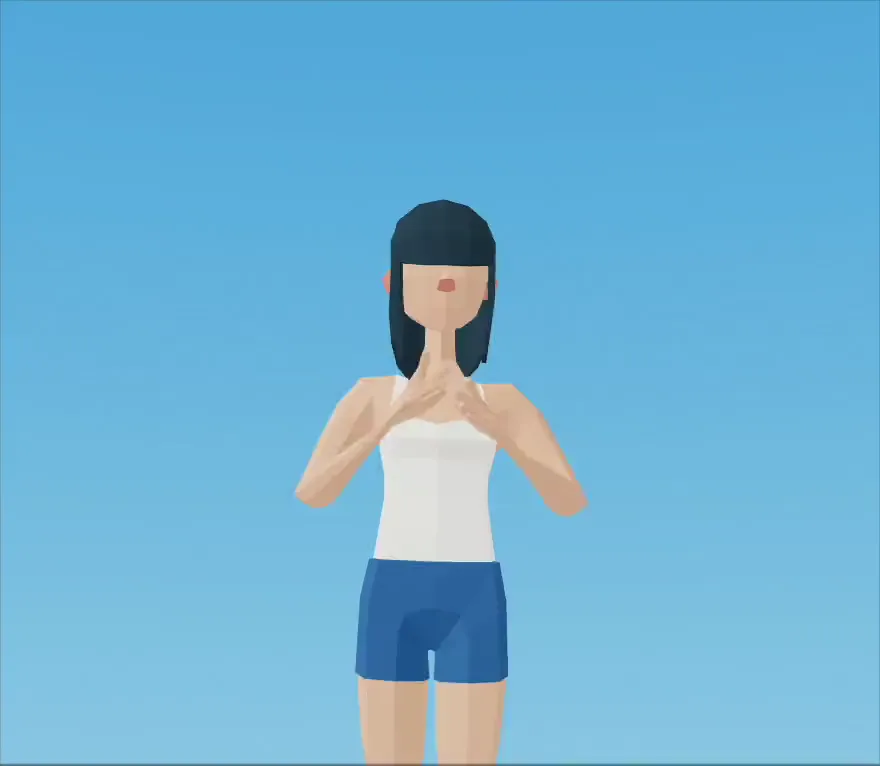
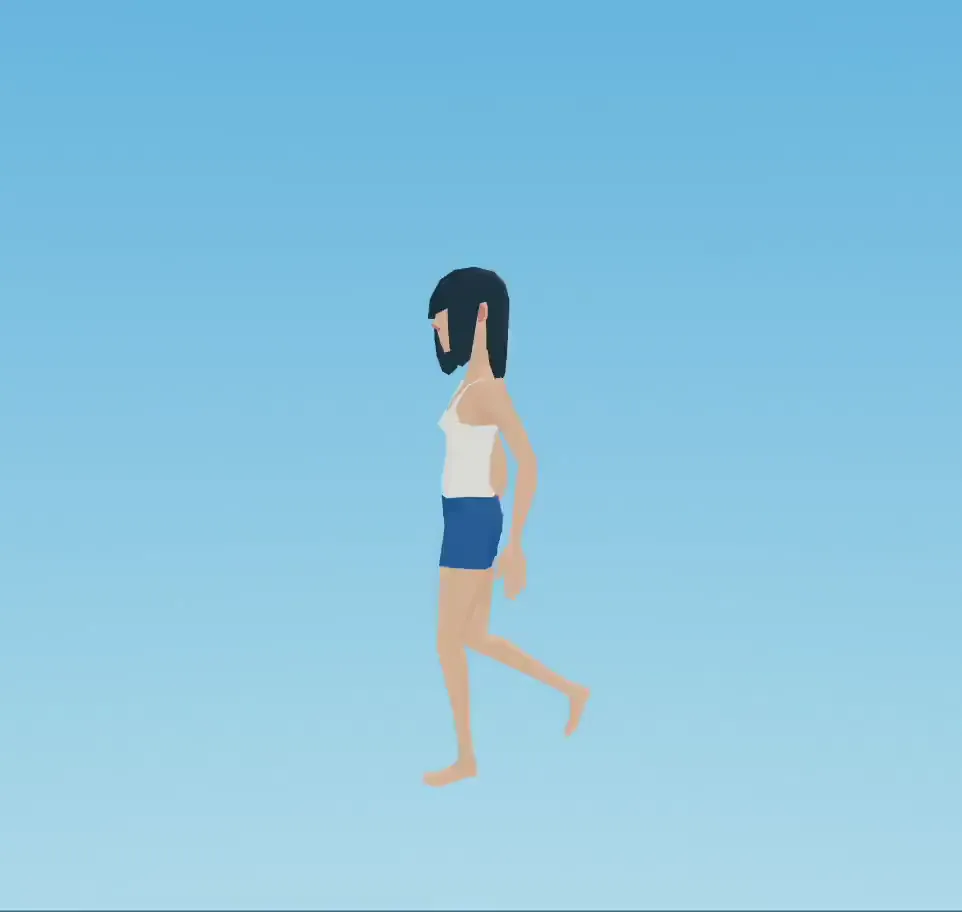
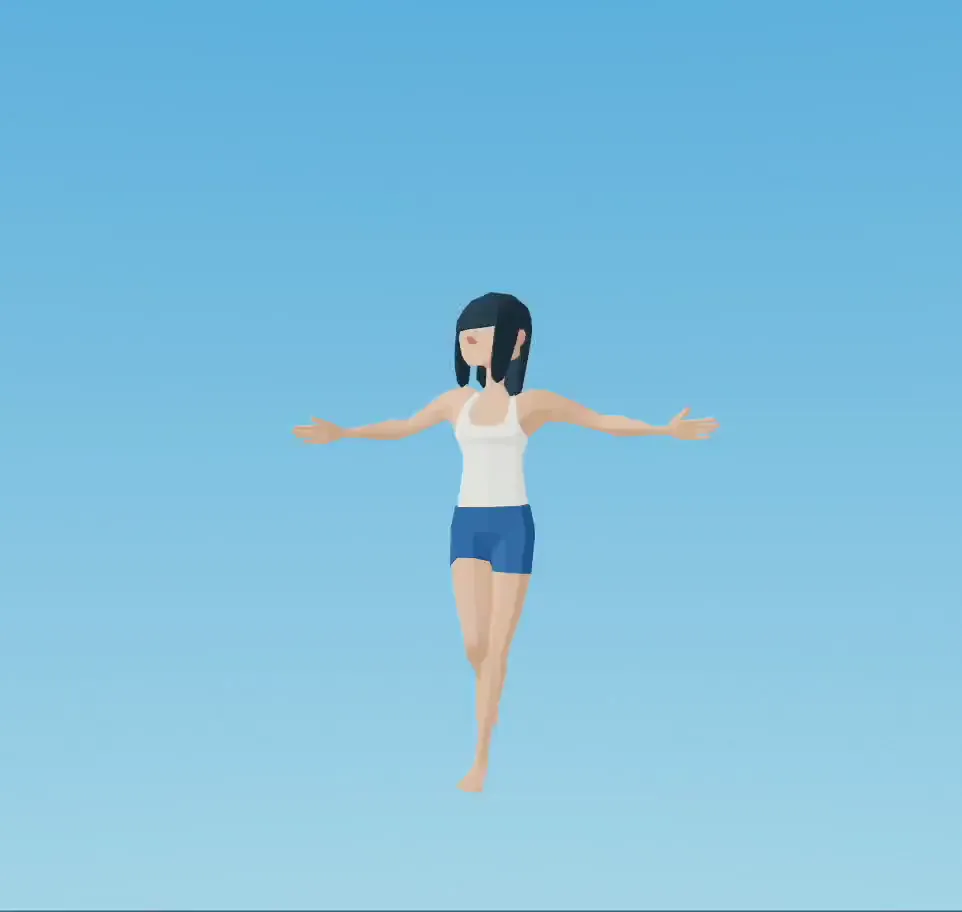
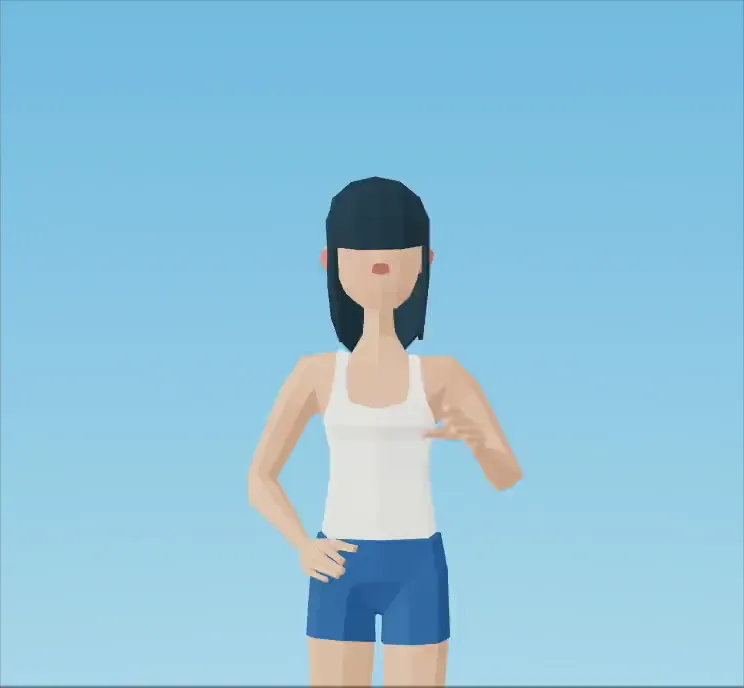
The movement is amazing. Much more accurate to the video. The hand, the shoulder, hip, they are accurate. They are great.
AI motion capture
from any video
Film someone moving and PINOC turns it into 3D skeletal animation. Export FBX or GLB in about a minute.
Works with the tools you already use
- Blender
- Unreal Engine
- Maya
- Unity
- Cinema 4D
- Houdini
Markerless motion capture from a single camera
Markerless mocap, no suits or sensors
Markerless means the camera does the tracking. Standard video becomes motion data fit for professional 3D pipelines. A webcam or a smartphone is enough: one person, whole body in frame, in decent light.
Video to 3D animation, true to the performance
Amplitude and timing survive: a big movement stays big, and contact and weight read right because JST, Viggle's in-house model, is trained with physical priors rather than flat 2D keypoints. Preview the capture on a character, then export FBX or GLB straight into your pipeline.
From video to mocap in about a minute
- 1Step 1
Shoot or find a clip
Shoot it on your phone or pull something off the internet. One person, full body in frame, unobstructed. Murky lighting is where captures usually go wrong.
- 2Step 2
PINOC captures the motion
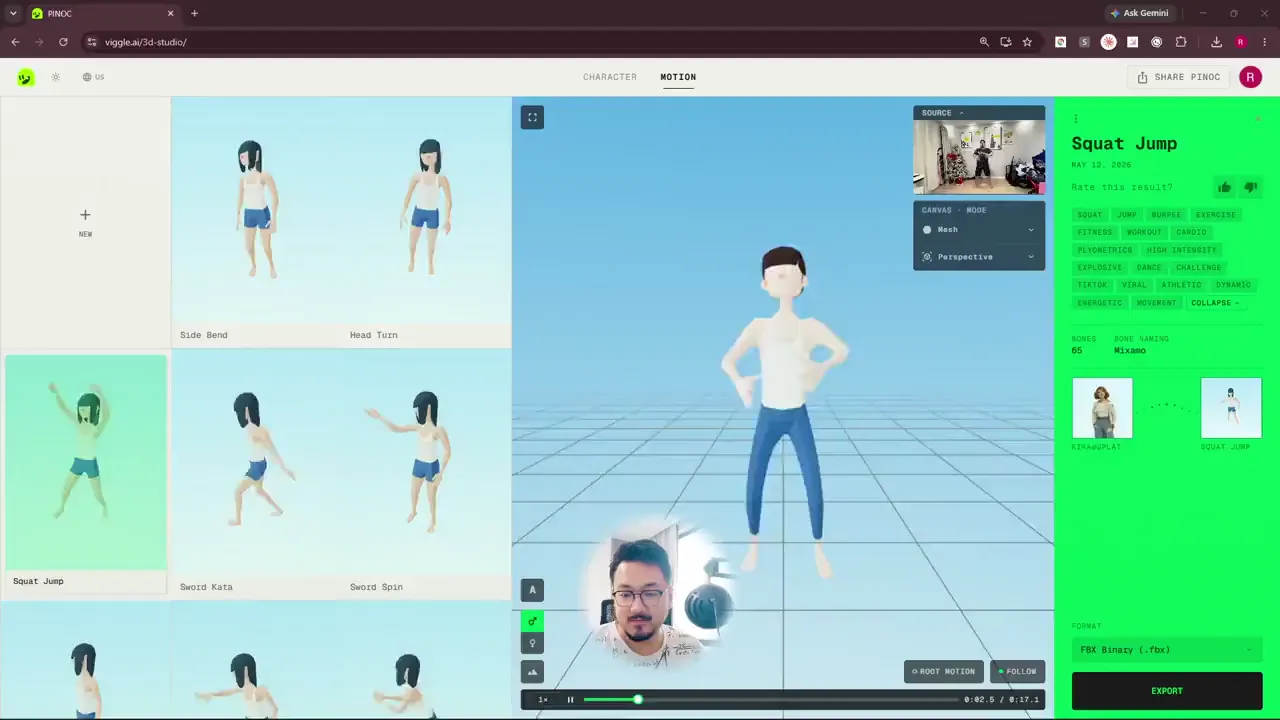
Give it about a minute. Back comes 3D skeletal animation on a 65-bone Mixamo-named skeleton, fingers and wrist rotation included, at the amplitude you filmed.
- 3Step 3
Preview and export
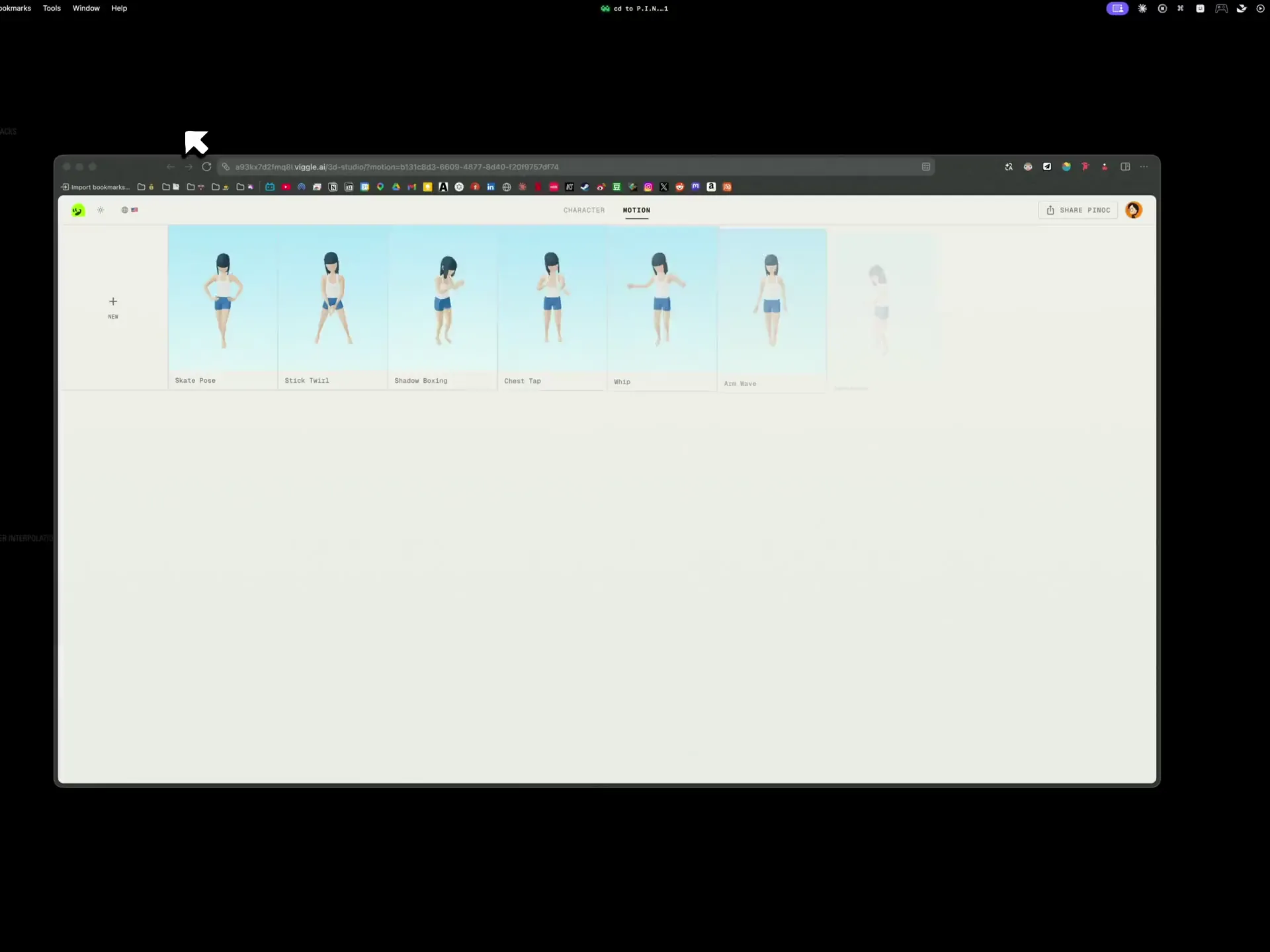
Play it on a character to see whether the take reads, then export FBX or GLB. Want it on your own model? Upload that first and PINOC rigs it.
What PINOC captures
Real videos in, production motion data out. Different speeds, styles, and levels of complexity. What you see here is raw PINOC output.
- Complex motion.
Breakdancing, backflips, parkour, fight scenes. Tracks through rapid direction changes and mid-air rotations without losing the skeleton.
- High-speed motion.
Sprinting, spinning kicks, fast punch combos. Holds tracking at full speed with no jitter or dropped frames.
- Precision and detail.
Individual finger curls, wrist rolls, subtle hand gestures. The level of detail most AI mocap tools skip entirely.
- Everyday motion.
Walking, sitting down, reaching for a cup, casual conversation. Small weight shifts and natural timing that fall apart when mocap isn't precise enough.
How game devs and animators use PINOC for mocap
See how creators are building real motion pipelines with PINOC.
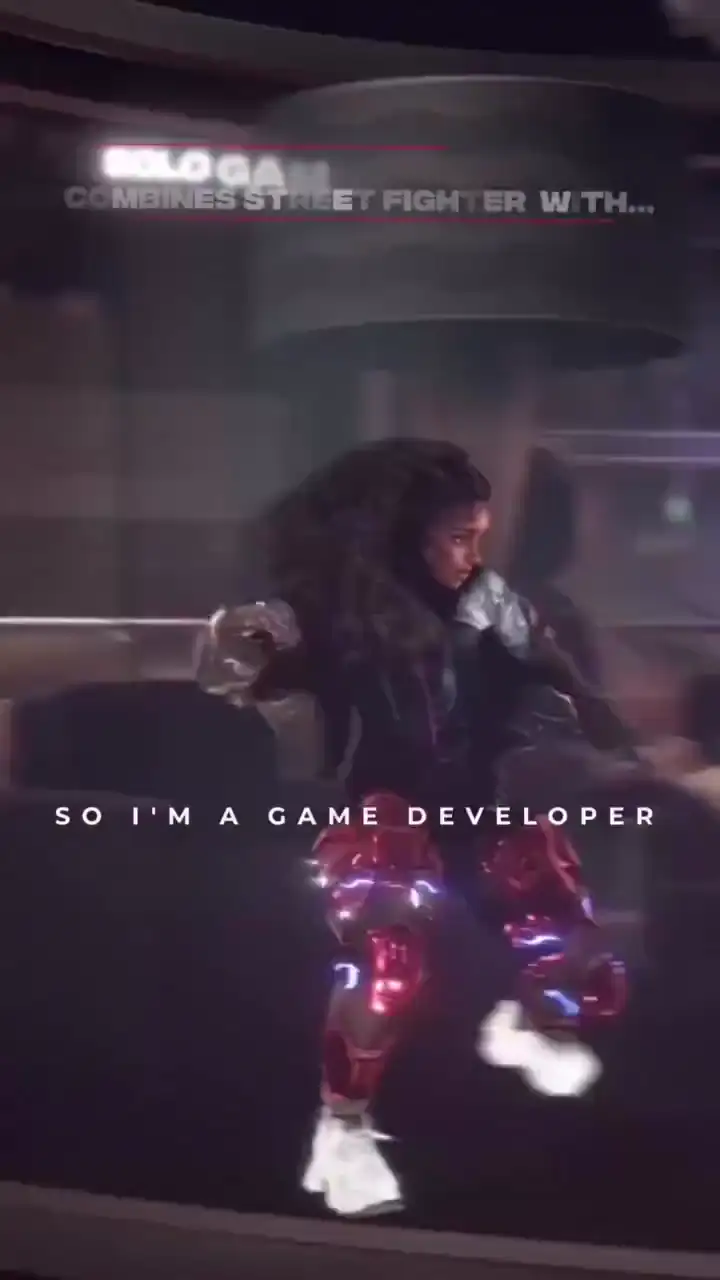
William shot reference clips on his iPhone, extracted FBX motion with PINOC, retargeted in Blender, and imported into Godot for his horror comedy game. Zero hardware cost.
@DLKFZWilliam2Real parkour runs, captured with PINOC and built into his game "Erased".
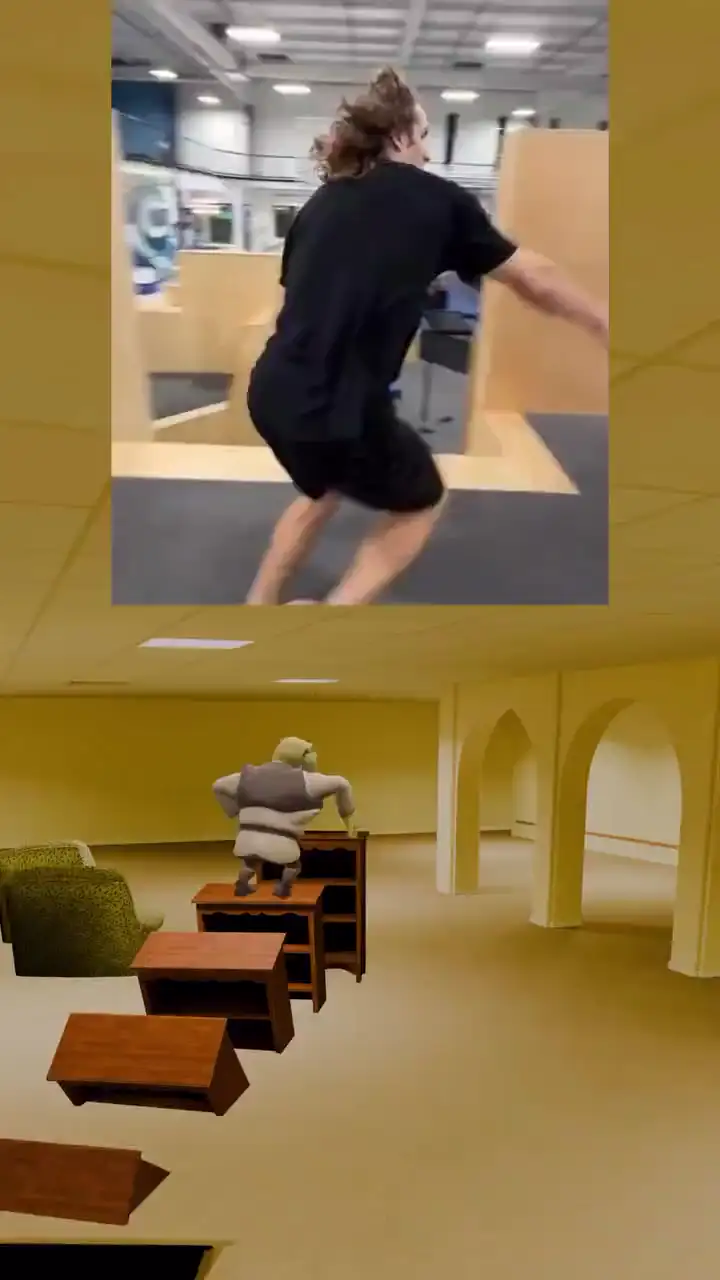
Jerron JacquesReal gym flips, captured with PINOC and retargeted onto Shrek in the backrooms.
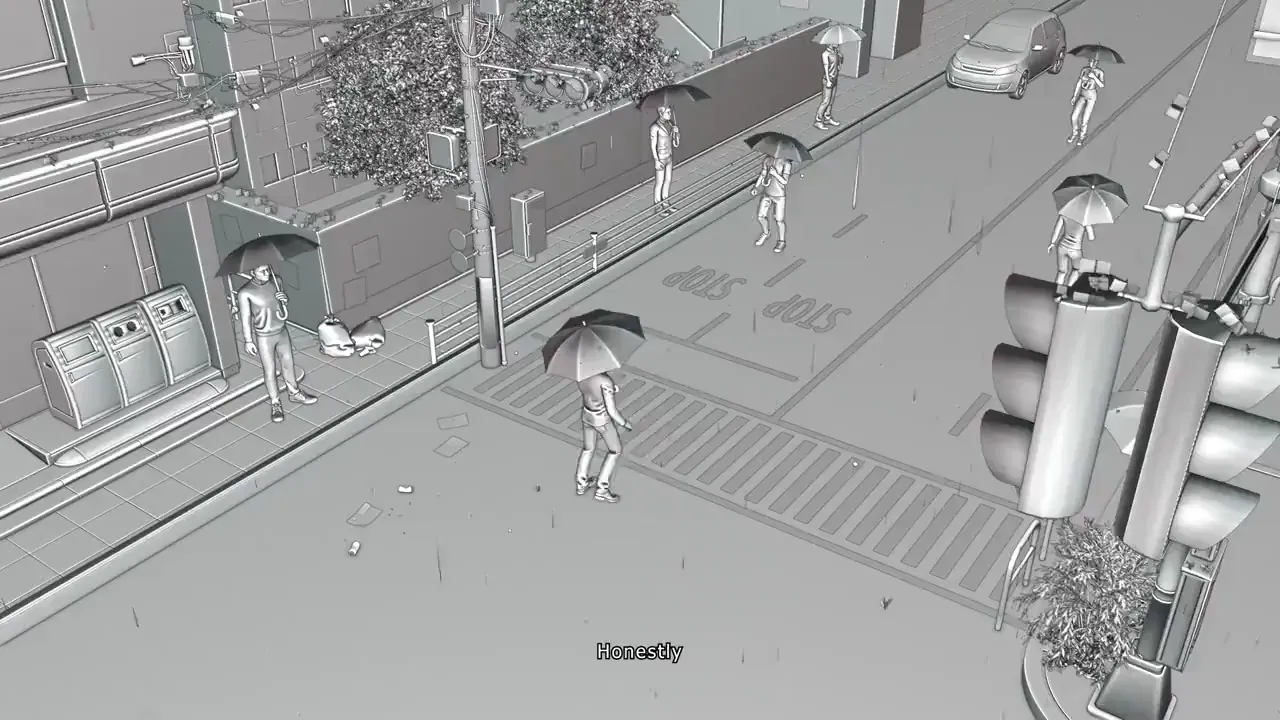
Christian WinchellSalman pulls walk cycles and idles from video with PINOC and brings them into Blender as part of his day to day animation workflow. Clean enough to render straight away.
@Visual_SalmanWho can benefit from PINOC
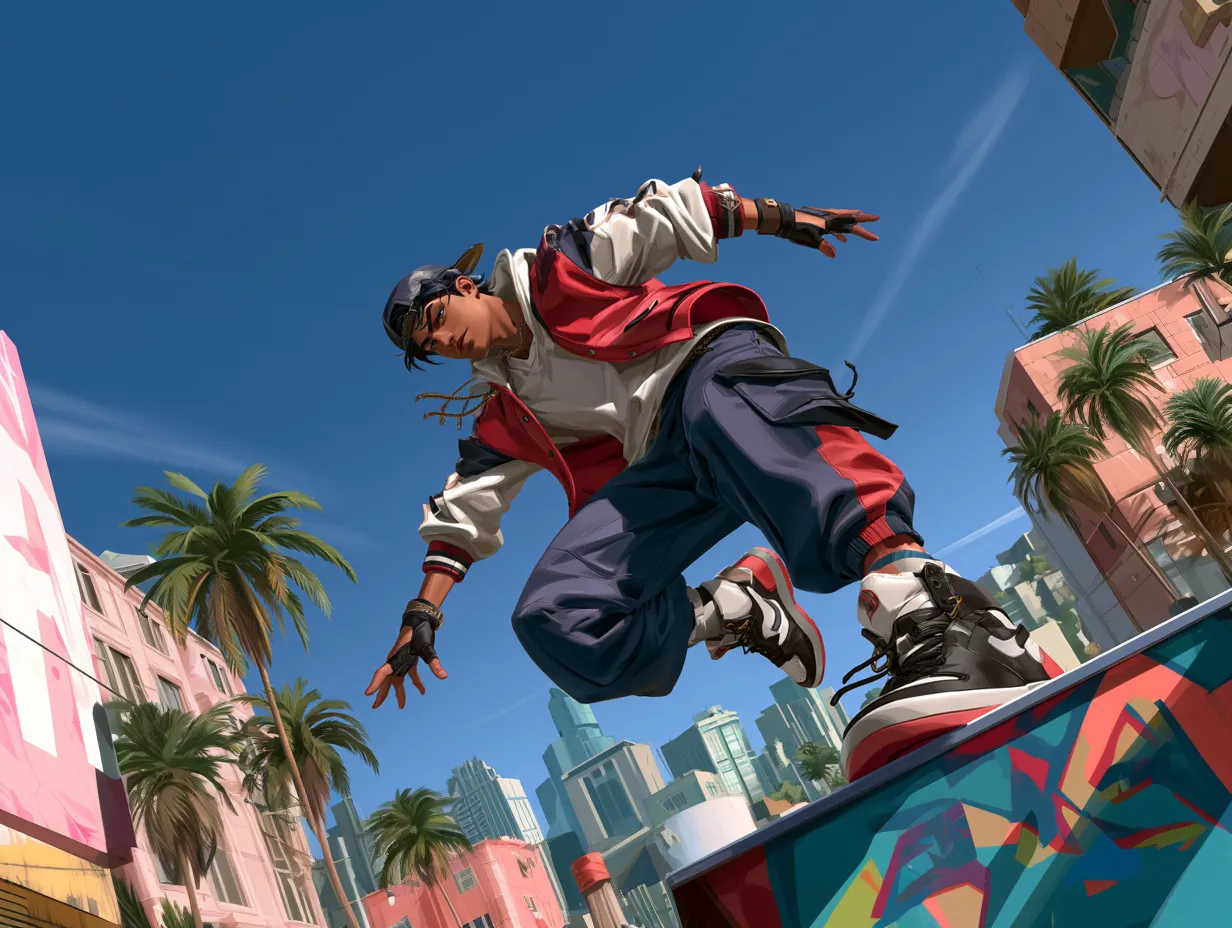
Game developers
Everything you reach for Mixamo for, plus the motion it does not have. Recreate a parkour line, a viral trend, a dance, a classic character move straight from video. No mocap actors, no preset ceiling.
Animators and studios
A first pass in minutes instead of hours of hand-keying. Block scenes with real human timing, then refine in Blender or Maya.

Creators and VTubers
Turn a clip of yourself into animation your character performs.
Motion capture without the studio price tag
| Mocap studio | Mocap suit | PINOC | |
|---|---|---|---|
| Cost to start | Roughly $1,500 to $2,500 a day | Around $2,300 before software | Free to start, plans from $12.99/mo |
| Setup | Booked session, crew, stage | Suit fitting, sensors, calibration | Upload a video |
| Time to first result | Session plus cleanup | Setup plus cleanup | About a minute |
| Where you can shoot | The stage | Wherever the suit is | Anywhere you have footage |
If I have this, I feed the motion maybe like three samples and I can lock it in instead of iterating 14 to 20 times. That's a time killer and credit killer.
You're going to save them so many hours of tedious work.
If I had to make this animation by hand, it would take many times longer than with PINOC.
I believe mocap will play a very strong role with AI animation going forward.
Building this into your own product? The same PINOC pipeline runs behind the Viggle API.
Frequently asked questions
What is AI motion capture?
An AI motion capture tool extracts 3D skeletal motion from ordinary video, instead of tracking markers or suit sensors. You shoot or find a clip of a person moving, and the AI mocap model reconstructs the motion in 3D.
Is PINOC free motion capture software?
Free to start. Sign in and capture, with nothing to install and no card up front. Paid plans exist for heavier use.
Do I need special equipment?
A phone camera is enough. Almost any clip works: phone footage, webcam, screen recordings, or something you pulled off the internet. Keep it to one person with the full body in frame and unobstructed, in lighting that isn't too dark.
How do I turn a video into mocap?
Upload a clip of one person moving, in frame and unobstructed. PINOC reconstructs the motion as 3D skeletal animation in about a minute, and you export it as FBX or GLB. Phone footage is enough.
What do I get when I export?
FBX or GLB files with a standard 65-bone Mixamo-named skeleton. They open in Blender, Unity, Unreal, Maya, or any other 3D tool.
Can I use it for Blender motion capture?
Yes. The FBX export uses Mixamo bone naming, so Blender imports it with the built-in importer and the retargeting tools the community already builds around that convention. No add-on to install.
How long does it take?
About a minute from upload to a usable result.
Is it free?
Free to start. Sign in and capture, nothing to set up first.
Is PINOC a Mixamo alternative?
For custom motion, yes. Mixamo gives you a fixed set of preset clips; PINOC gives you the motion in your own footage: a move you shot, a clip you found, or an action nobody has a preset for. Both export on the same Mixamo-named skeleton, so a capture drops into the pipeline you already have.
How accurate is it?
PINOC holds the full range and timing of the original movement instead of flattening it. It runs on JST, Viggle's in-house foundation model.

Upload a clip. Walk out with 3D motion.
Start motion capture freeAsk an AI about PINOC:ChatGPTPerplexityClaude
Built something with PINOC? Show it in the Viggle Discord.Join the community