Ready Player Me vs Custom 3D Characters From a Photo
Ready Player Me shut down in 2026. See how Ready Player Me compares to a custom 3D character from a photo, and how to animate one free to start.
Viggle

Key Takeaways#
- Ready Player Me shut down its public platform on January 31, 2026, after Netflix acquired it, so the avatar creator and public APIs are offline.
- Netflix folded the technology into its own games, which means Ready Player Me is no longer a portable, cross app avatar system for everyone.
- Ready Player Me avatars were stylized and standardized, great for identity across apps, but never a bespoke character built to your exact look.
- A custom 3D character from a photo gives you ownership, a specific likeness, and no platform shutdown risk.
- The modern custom path is a mesh generator like Meshy or Tripo for the model, plus a motion tool for the movement.
- Ready Player Me needed external tools for real motion, and that gap is exactly where Viggle PINOC fits, capturing custom motion from any video.
- If your character matters to your project, own it end to end rather than renting an avatar from a platform that can disappear.
For years, Ready Player Me was the default answer to “how do I make a 3D avatar from a photo.” You uploaded a selfie, got a clean stylized avatar, and carried it across thousands of apps and games. Then in 2026 it vanished.
Netflix acquired Ready Player Me and shut the public platform down on January 31, 2026. The avatar creator is offline, the public APIs are gone, and the technology now lives inside Netflix’s own games. If you built on it, your avatar stopped working in the apps that used it.
So the real question is no longer Ready Player Me versus a custom character. It is what you use now. This guide covers what Ready Player Me was, what happened, and how a custom 3D character built from a photo compares, including the free-to-start way to make it move.
What was Ready Player Me?#
Ready Player Me was a web based avatar creator that turned a single selfie into a stylized 3D avatar you could reuse across apps. Its whole value was portability, one identity that traveled with you.
It was trusted by more than 25,000 developers and worked across platforms like VRChat and other social spaces. The appeal was simple.
- Photo to avatar. Upload a selfie and it auto generated a matching avatar.
- Easy customization. Swap hair, eyes, skin, clothes, and accessories in a simple editor.
- Portable identity. The same avatar worked across thousands of integrated apps and games.
- Standard formats. Avatars exported as GLB or VRM for use in supported engines.
The trade off was style. Ready Player Me avatars were deliberately stylized and standardized, which kept them light and portable but meant they were never a true likeness or a bespoke game character.
What happened to Ready Player Me in 2026?#
Netflix acquired Ready Player Me, announced the deal on December 19, 2025, and shut the public services down on January 31, 2026. The team joined Netflix, and the technology became exclusive to Netflix’s own gaming platform.
The practical fallout is what matters for creators.
- The creator is offline. The public avatar builder and PlayerZero are no longer available.
- APIs are gone. Developers who integrated Ready Player Me lost the service.
- Avatars stopped working. Once the shutdown hit, avatars no longer functioned in the games and apps that used them.
- The tech went exclusive. Netflix is using it inside its own experiences, not as an open platform.
You can read the details of the Netflix acquisition and the community migration advice around the platform shutdown. The lesson underneath it is bigger than one product. When your character lives on someone else’s platform, it can disappear with that platform.
Why build a custom 3D character from a photo instead?#
Because you own it, it looks like whatever you want, and no acquisition can switch it off. A custom character trades portability for control, and after 2026 that trade looks a lot smarter.
Here is what a custom character gives you that a Ready Player Me avatar never did.
- Ownership. The model files are yours, on your drive, usable forever.
- True likeness or style. Build a realistic version of a real photo or a fully original design, not a stylized template.
- Game specific fit. Match your art direction instead of a standardized look.
- Custom motion. Drive it with movement you capture, not just a fixed animation set.
The catch used to be difficulty. Making a custom character meant a modeler and an animator. In 2026 that is no longer true, which is the whole point of this shift.
Pro tip. Keep your source photo, your model file, and your animations in one project folder. The Ready Player Me shutdown is a reminder that the safest place for your character is your own storage.
Ready Player Me vs a custom character, how do they compare?#
Ready Player Me optimized for a portable identity. A custom character optimizes for ownership and fit. Now that the public platform is gone, the comparison is less about preference and more about what still exists.
| Factor | Ready Player Me | Custom character from a photo |
|---|---|---|
| Look | Stylized, standardized | Realistic or fully custom |
| Ownership | Platform hosted | Your own files |
| Custom motion | Needed external tools | Capture your own |
| Availability in 2026 | Public platform shut down | Fully available |
| Best for | Portable cross app identity | A character tied to your project |
The table makes the 2026 reality plain. For most creators the portable avatar era paused when Ready Player Me closed, and the durable option is a character you build and keep yourself.
What is the avatar vs character test?#
Not sure which you actually need? Run the Avatar vs Character Test. Four quick questions decide it.
- Do you need one identity across many apps? That was the avatar use case, and it is the one Ready Player Me’s shutdown hit hardest.
- Does the look need to match your game or your real face? That is a custom character, every time.
- Do you need specific, custom movement? Avatars leaned on preset animation. A performance means capture.
- Does it need to still work in five years? Only files you own pass this test.
Answer “character” to questions two through four and the choice is made. You want a model you control and motion you capture, not an avatar hosted somewhere you cannot see.
How do you replace a Ready Player Me avatar in 2026?#
You rebuild it as files you own, in three steps. None of them need a modeler or an animator on the team.
- Generate the model. Run a clear photo through an AI image to 3D tool like Meshy or Tripo to create the character mesh and textures. This replaces the old avatar builder.
- Add motion. Capture the movement you want from a video, so the character performs instead of standing in a static pose. This replaces the preset animation set.
- Store it yourself. Keep the model file and the animations in your own project folder, so no future acquisition can switch them off.
The order matters. Most people rush the model and forget the motion, then wonder why their character feels lifeless. A model is a statue until something drives it, which is why the second step deserves as much attention as the first.
How does Viggle PINOC animate a custom character from a photo?#
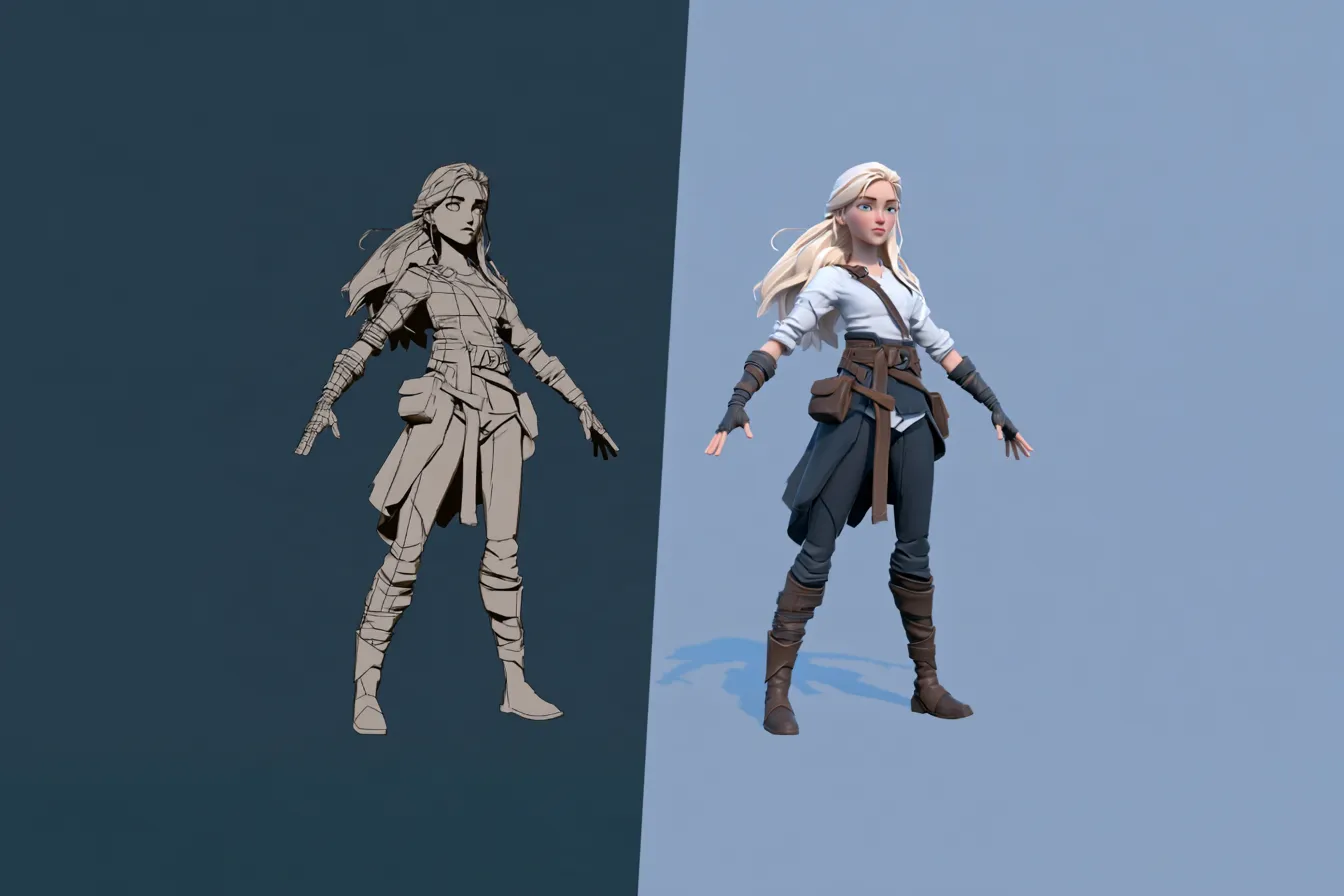
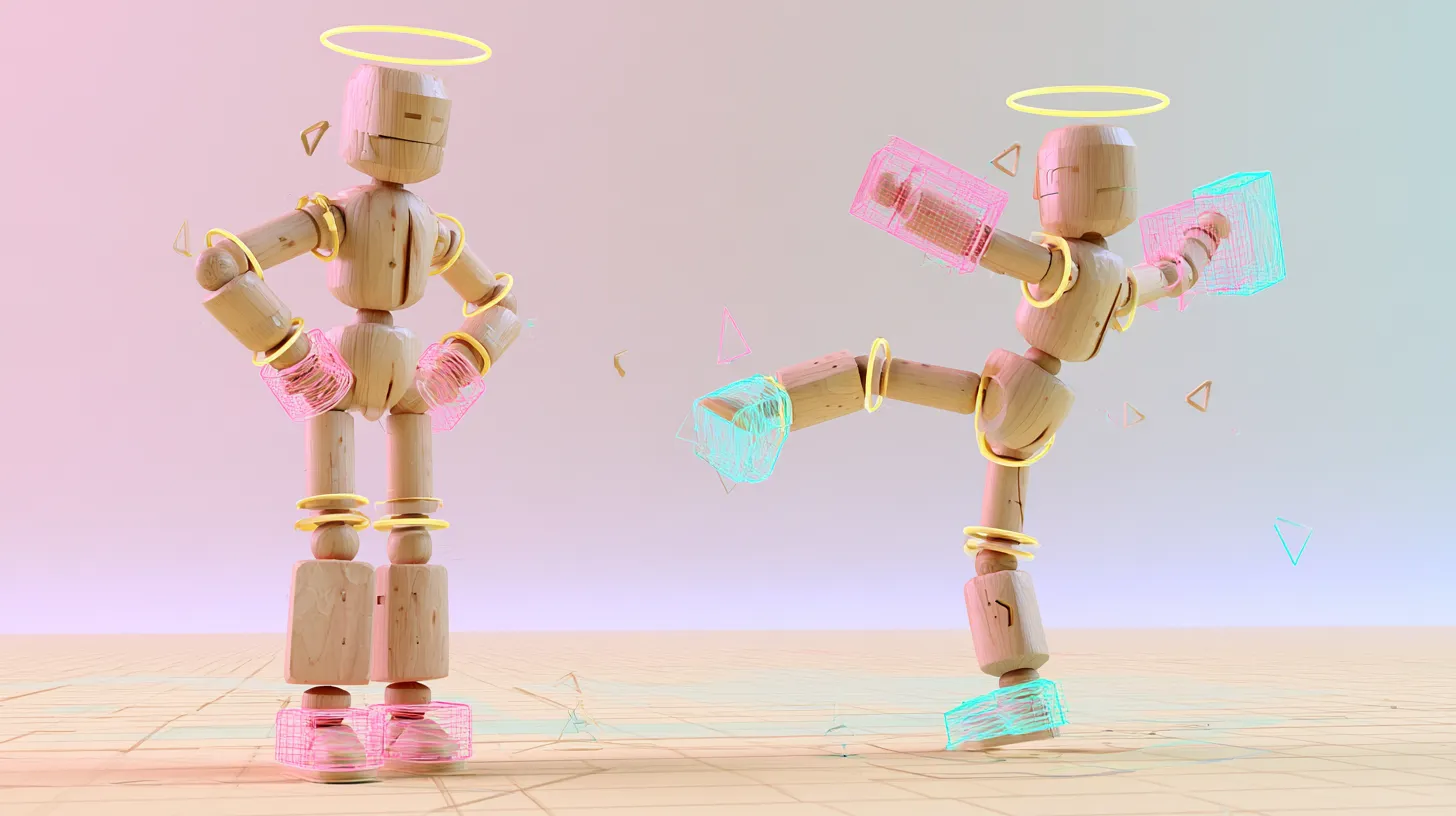
PINOC is not a mesh generator, and it does not rebuild Ready Player Me. It solves the part avatars always struggled with, which is custom motion. Its core strength is markerless motion capture, turning any video into 3D skeletal animation.
The workflow is straightforward. Generate your custom character mesh from a photo with a tool like Meshy or Tripo, then feed PINOC a video of the exact movement you want. Its AI motion capture extracts that performance as a 65 bone, Mixamo named skeleton animation, with no suit and no markers. That animation is what you export as FBX or GLB, then retarget onto your character inside your engine.
PINOC also has an image to 3D character feature, upload a character image and PINOC rebuilds it as a Gaussian Splatting avatar model, so you can preview your captured motion on that character in the browser before export. You can also export the character model itself as a static PLY file, so the character stays yours too.
Under the hood, PINOC runs on JST, Viggle’s in house video to 3D foundation model. JST is trained with physical priors, so captured motion respects weight, contact, and timing instead of lifting flat 2D keypoints frame by frame.
Here is what it gets you.
- Custom motion captured from any phone video, free to start.
- A Mixamo-named animation that retargets onto your custom character.
- FBX and GLB export of that motion into Blender, Unreal, Unity, and Maya.
- A browser preview of the motion on your character before export.
- Movement you own, on a character you own, with no platform to shut down.
The motion workflow lives inside Viggle PINOC, and it is free to start right now. Pair it with a mesh generator for the model, and you replace the whole Ready Player Me pipeline with tools you control.
Frequently Asked Questions#
What happened to Ready Player Me?#
Netflix acquired Ready Player Me and shut its public platform down on January 31, 2026. The deal was announced in December 2025, the team joined Netflix, and the technology is now used inside Netflix’s own games rather than as an open avatar platform.
Is Ready Player Me still available?#
Not for public use. The avatar creator, PlayerZero, and the public APIs went offline on January 31, 2026, and avatars stopped working in the apps that relied on them. If you need an avatar or character now, you have to use a different tool.
What are the best Ready Player Me alternatives?#
For stylized avatars, VRoid Studio and Avatar SDK are common replacements. For a custom character built from a photo, use a mesh generator like Meshy, Tripo, or Rodin for the model, then capture motion with Viggle PINOC. That combination gives you ownership the old platform never did.
How do I make a custom 3D character from a photo?#
Run your photo through an AI image to 3D tool like Meshy or Tripo to generate the mesh, refine it if it is a hero character, then add motion. The whole path takes minutes for a prototype and keeps every file on your own drive.
Can I animate a custom character for free?#
Yes. Viggle PINOC captures motion from any video and exports it as a Mixamo skeleton animation free to start, which you retarget onto your character. That covers the custom movement Ready Player Me avatars always needed an extra tool to get.
Ready Player Me vs a custom character, which is better?#
After 2026 it is not really a contest, because the Ready Player Me public platform is gone. A custom character from a photo is the durable option, since you own the model, you own the motion, and no acquisition can turn it off.
Conclusion#
Ready Player Me was a clever answer to a real problem, but its 2026 shutdown proved the risk of building your character on someone else’s platform. A custom 3D character from a photo flips that risk, giving you a model and a performance you actually own. Generate the character with a tool like Meshy or Tripo, capture its motion free to start with Viggle PINOC, and keep every file yourself. The portable avatar era paused when Netflix closed the doors. The characters you own are the ones that will still be standing.